Ensuring the health and safety of your horse is a top priority for any equine owner or caregiver. Horses, by their nature, are prone to injuries and illnesses that can emerge without warning. Being equipped with the right first aid knowledge can prevent minor issues from escalating into major problems. This article provides essential horse first aid tips for immediate care that every horse owner should be familiar with.
Understanding Basic Horse Anatomy and Behavior
Before delving into first aid techniques, it’s crucial to have a basic understanding of horse anatomy and behavior. Horses are flight animals, which means they may become easily startled or stressed, leading to injuries. Understanding their physical structure and behavior patterns can help in assessing injuries better and providing appropriate first aid.
Preparing a Horse First Aid Kit
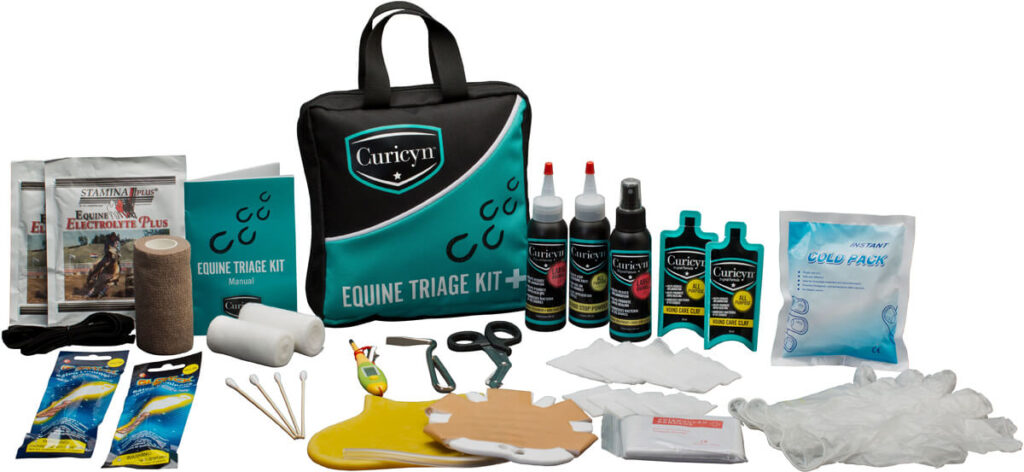
An adequately stocked first aid kit is the cornerstone of effective emergency care. Here are the essential items every horse first aid kit should contain:
- Thermometer: To monitor the horse’s body temperature.
- Stethoscope: Useful for checking heart rate and gut sounds.
- Bandages and wraps: For wound protection and support.
- Antiseptic solutions: Such as iodine or chlorhexidine for cleaning wounds.
- Scissors and tweezers: For cutting bandages and removing foreign objects.
- Saline solution: For flushing eyes and wounds.
- Ice packs: To reduce swelling and inflammation.
- Hoof pick: To remove debris from the hoof.
- Disposable gloves: To maintain hygiene while treating wounds.
- Emergency contact list: Including the veterinarian’s number and nearby equine hospital.
Steps for Effective First Aid Response
1. Assess the Situation
The first step in any emergency is to assess the situation calmly. Determine the severity of the injury or illness and decide if it requires immediate veterinary attention. Look for signs of pain, distress, or abnormal behavior.
2. Ensure Safety
Your safety and the horse’s safety are paramount. Approach the horse calmly and speak to it soothingly. If necessary, restrain the horse with a halter and lead rope to prevent further injury.
3. Control Bleeding
For any bleeding wounds, apply direct pressure with a clean cloth or bandage to control bleeding. Elevate the injured area if possible to reduce blood flow. Do not remove any objects embedded in the wound; wait for veterinary assistance.
4. Clean and Protect Wounds
Gently clean wounds with an antiseptic solution to prevent infection. Avoid using alcohol, as it can be painful and damaging to tissues. Once cleaned, cover the wound with a sterile bandage to protect it from dirt and bacteria.
Dealing with Common Horse Injuries
1. Cuts and Abrasions
Minor cuts and abrasions can often be treated at home. Clean the area with saline solution and apply an antiseptic ointment. Monitor the wound for signs of infection, such as swelling, redness, or discharge.
2. Hoof Injuries
Hoof injuries can range from minor bruises to severe punctures. For bruises, applying an ice pack can help reduce swelling. For punctures, consult a veterinarian as these can lead to serious infections or lameness.
3. Eye Injuries
Eye injuries require immediate attention. Gently flush the eye with saline solution and avoid administering any ointments or drops without veterinary guidance. Keep the horse in a dimly lit area to reduce discomfort.
Recognizing Signs of Distress and Illness
Early recognition of distress signals can significantly impact the outcome. Some signs to watch for include:
- Abnormal vital signs: Elevated heart rate, respiratory rate, or temperature.
- Sudden changes in behavior: Lethargy, agitation, or reluctance to move.
- Altered eating or drinking habits: Reduced appetite or water intake.
- Visible signs of pain: Limping, stiffness, or sensitivity to touch.
When to Call the Veterinarian
While many minor injuries can be managed with basic first aid, certain situations warrant immediate professional intervention:
- Severe bleeding or deep wounds.
- Signs of colic or abdominal pain.
- Fractures or suspected broken bones.
- Persistent lameness or inability to bear weight.
- Severe respiratory distress or difficulty breathing.
Conclusion
Being prepared with essential first aid knowledge and a well-stocked kit can make a significant difference in the immediate care of your horse. By understanding how to assess situations, control bleeding, clean wounds, and recognize signs of distress, you can ensure your horse receives the best possible care in emergencies. Always remember, when in doubt, consult with a veterinarian to provide the best outcome for your equine companion’s health and well-being.
#ChatGPT assisted in the creation of this article.