Maintaining a comprehensive vaccination schedule is one of the most crucial steps in ensuring the long-term health and wellness of your horse. Vaccines are essential for preventing infectious diseases that can lead to severe health complications, economic losses, and even mortality. This article will explore the essential vaccinations, their timing, and how they contribute to optimizing your horse’s health.
Understanding Equine Vaccinations
Vaccinations stimulate a horse’s immune system to recognize and combat specific pathogens. By introducing a weakened or inactive part of the disease-causing organism, vaccines prepare the horse’s body to fight the real infection if exposed. The importance of a well-rounded vaccination program cannot be overstated, as it helps to prevent outbreaks and maintain herd immunity within equine populations.
Core Vaccinations: The Foundation of Equine Health
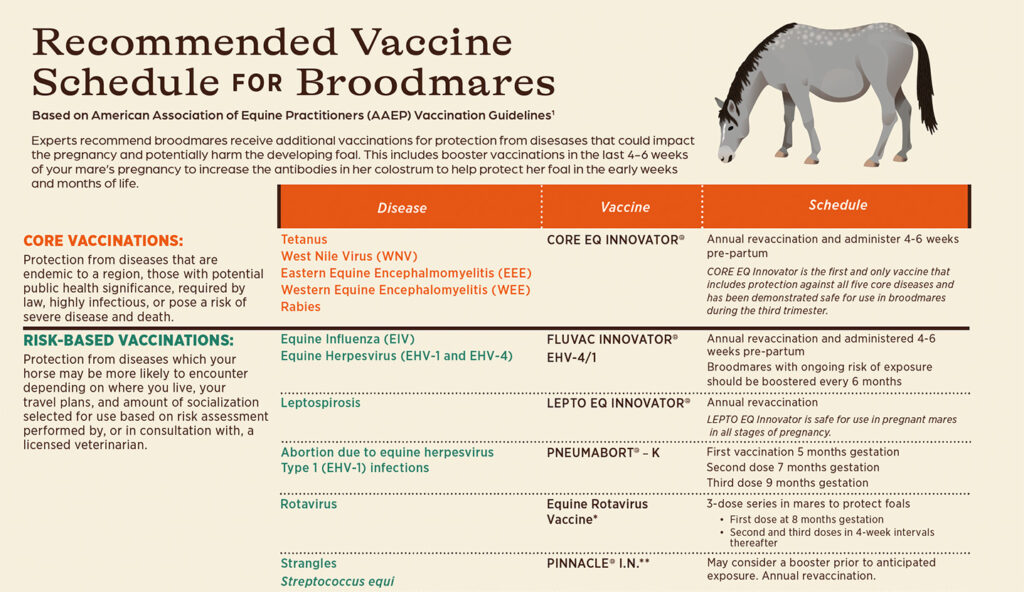
The American Association of Equine Practitioners (AAEP) categorizes vaccines into core and risk-based vaccines. Core vaccines are universally recommended for all horses, regardless of location or lifestyle, due to the severity and widespread nature of the diseases they prevent.
Tetanus
Tetanus, caused by the bacterium Clostridium tetani, is a life-threatening disease characterized by muscle stiffness and spasms. Horses are highly susceptible due to their environment and the bacterium’s presence in soil. The tetanus vaccine is highly effective and typically administered annually.
Eastern and Western Equine Encephalomyelitis (EEE/WEE)
EEE and WEE are mosquito-borne viral diseases that cause inflammation of the brain and spinal cord. These diseases have high mortality rates, making vaccination vital. Horses should receive an annual booster before the mosquito season begins.
West Nile Virus (WNV)
West Nile Virus is another mosquito-borne disease that affects the central nervous system. The symptoms range from mild to severe and can include fever, weakness, and paralysis. Annual vaccination is recommended, with timing adjusted based on regional mosquito activity.
Rabies
Rabies is a fatal viral disease that affects the nervous system of mammals, including horses. While cases in horses are rare, the disease is always fatal, and vaccination is crucial for prevention and public health safety. An annual rabies vaccine is recommended.
Risk-Based Vaccinations: Tailoring to Individual Needs
Risk-based vaccines are recommended based on a horse’s specific risk factors, such as geographic location, travel history, and exposure to other horses. It’s important to consult with a veterinarian to determine which of these vaccinations are necessary for your horse.
Equine Herpesvirus (EHV)
Equine Herpesvirus, also known as rhinopneumonitis, can cause respiratory disease, abortion in pregnant mares, and neonatal death. EHV-1 and EHV-4 are the most common strains, with EHV-1 also causing neurological disease. Vaccination frequency varies, often recommended every 6 months for horses in high-risk situations.
Equine Influenza
Equine Influenza is a highly contagious viral respiratory disease. Horses that travel or are exposed to large groups should be vaccinated bi-annually. The vaccine is crucial in preventing outbreaks at events and competitions.
Strangles
Strangles, caused by Streptococcus equi, is a bacterial infection that leads to abscesses in the lymph nodes. It is highly contagious, especially among young horses. Vaccination is recommended for horses at risk of exposure, often administered annually or bi-annually.
Potomac Horse Fever
Potomac Horse Fever is caused by a bacteria affecting the gastrointestinal tract, leading to severe diarrhea, fever, and laminitis. Horses in endemic regions should be vaccinated annually, usually in the spring.
Creating an Effective Vaccination Schedule
Developing an effective vaccination schedule requires collaboration with your veterinarian, who can tailor the plan based on your horse’s specific needs, lifestyle, and local disease prevalence. Here are some key considerations:
1. Age and Health Status
Foals receive initial immunity from their mother’s colostrum, but this wanes over time. Vaccination schedules for foals typically begin at 4-6 months, with booster shots following. Adult horses should maintain a regular vaccination routine, adjusted for any health concerns or pre-existing conditions.
2. Timing and Frequency
Vaccination timing can be critical, especially for diseases with seasonal vectors like mosquitoes. Planning vaccinations to coincide with the start of risk periods (e.g., mosquito season) ensures maximum protection. Booster shots may be necessary to maintain immunity, particularly for horses that travel or compete.
3. Herd Immunity and Biosecurity
Vaccinating all horses on a property helps establish herd immunity, reducing the likelihood of disease spread. Implementing biosecurity measures, such as quarantine for new arrivals and minimizing contact with outside horses, complements vaccination efforts.
Monitoring and Record-Keeping
Maintaining accurate vaccination records is essential for tracking each horse’s health care routine and ensuring compliance with competition requirements. Records should include vaccine type, date, and any adverse reactions. These documents provide valuable information for veterinarians to make informed decisions about future vaccinations.
Conclusion
Optimizing your horse’s health through a well-planned vaccination schedule is an investment in their long-term well-being. By understanding the core and risk-based vaccines, collaborating with your veterinarian, and maintaining up-to-date records, you can protect your horse against preventable diseases. A proactive approach to vaccinations not only safeguards individual horses but also contributes to the broader health of the equine community.
#ChatGPT assisted in the creation of this article.