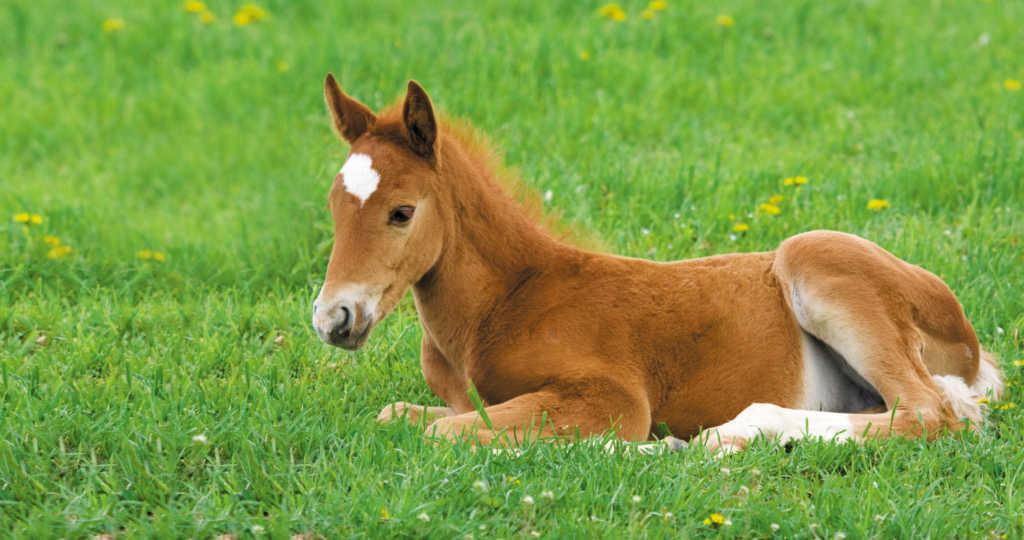
The journey of a young horse begins with the crucial phase of growth and development, where nutrition plays a vital role. Providing the right nutrients to a foal ensures they grow into healthy, strong adults. This guide focuses on essential aspects of foal feeding, from the first days with the mare to the transition into solid feeds, ensuring optimal health and growth.
Understanding Foal Nutrition Needs
Foals have unique nutritional requirements that differ significantly from adult horses. This is primarily due to their rapid growth rates, which demand higher energy, protein, and mineral intake. The right balance of nutrients supports bone development, muscle growth, and overall health.
The Role of the Mare’s Milk
In the early stages of life, a foal’s primary source of nutrition is the mare’s milk. This milk provides essential antibodies and nutrients that are critical for the foal’s immune system and development. Typically, mare’s milk adequately meets the nutritional needs of a foal for the first few months.
Colostrum: The First Meal
Colostrum is the first milk produced by the mare, rich in antibodies essential for the foal’s immune protection. It is crucial that the foal consumes colostrum within the first few hours of life to ensure adequate immune function.
Introducing Solid Feeds
As the foal grows, it begins to show interest in solid feeds. Introducing these at the right time and in the right manner is crucial for developing healthy eating habits and ensuring the foal receives additional nutrients required for growth.
Creep Feeding
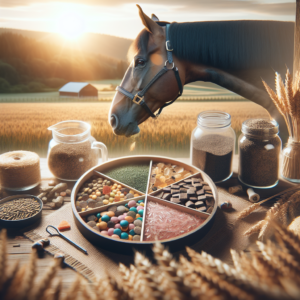
Creep feeding is a method used to introduce solid feeds to foals while preventing the mare from consuming the feed. This typically starts when the foal is around two to three months old. The feed should be high in protein and fiber, containing essential vitamins and minerals.
Choosing the Right Feed
Selecting a high-quality commercial foal feed is key. These feeds are specially formulated to meet the nutritional requirements of growing foals. Ensure that the feed contains adequate levels of protein, calcium, phosphorus, and other essential minerals and vitamins.
Balancing Nutrients for Optimal Growth
The nutritional balance in a foal’s diet is critical. Protein, energy, vitamins, and minerals must be in the correct proportions to support healthy growth and prevent developmental issues.
Protein and Amino Acids
Protein is vital for muscle and tissue development. Essential amino acids, such as lysine and methionine, must be present in the diet to support these processes. A foal’s diet should contain approximately 16-18% protein during the early stages of growth.
Calcium and Phosphorus
These minerals are critical for bone development. The ideal calcium to phosphorus ratio in a foal’s diet is around 1.5:1 to 2:1. A proper balance prevents skeletal abnormalities and ensures strong bone growth.
Vitamins and Other Minerals
Vitamins such as A, D, and E, along with trace minerals like zinc, copper, and selenium, play a role in various physiological functions and should be included in appropriate amounts in the diet.
Monitoring Growth and Adjusting Diet
Regular monitoring of a foal’s growth is essential. This involves assessing their weight, height, and body condition score. Based on these assessments, dietary adjustments may be necessary to ensure the foal is growing at a healthy rate.
Signs of Nutritional Deficiency
Watch for signs such as poor coat condition, lethargy, or abnormal growth patterns. These may indicate a deficiency in the diet that needs to be addressed promptly.
Consulting with a Veterinarian
Regular check-ups with a veterinarian can help in tracking the foal’s development and adjusting feeding strategies to meet their changing nutritional needs.
Weaning: Transitioning to Independence
Weaning is a significant transition in a foal’s life. It involves shifting from mare’s milk to a diet solely based on solid feeds. This process should be gradual to minimize stress and nutritional imbalances.
Timing and Process
Typically, weaning occurs around six months of age. A gradual reduction in milk intake while increasing solid feed consumption helps ease the transition.
Post-Weaning Nutrition
After weaning, maintaining a balanced diet high in fiber, protein, and essential nutrients ensures continued healthy growth. Regular monitoring remains crucial during this stage.
Conclusion
Providing a foal with the right nutrition is foundational to their development into a healthy adult horse. By understanding their unique nutritional needs, introducing solid feeds at the appropriate time, and regularly monitoring their growth, you can ensure your foal receives the best start in life. As always, consulting with equine nutritionists and veterinarians can provide additional guidance tailored to your specific circumstances.