Understanding a horse’s body language is crucial for anyone who interacts with these majestic animals. Horses are expressive creatures, and their body language can tell us a lot about their feelings, intentions, and needs. Whether you’re a seasoned equestrian or a novice horse enthusiast, learning to decode horse body language is essential for effective communication and fostering a harmonious relationship between humans and horses.
The Basics of Horse Body Language
Horses communicate primarily through their body language. Unlike humans, they don’t rely on verbal communication, so observing their physical cues is key to understanding what they are trying to convey. Key areas to observe include their ears, eyes, mouth, tail, and posture. Each part of a horse’s body can reveal important clues about its emotional state.
Ears
A horse’s ears are highly mobile and can convey a wide range of emotions:
– **Forward-facing ears**: Indicate interest or curiosity. The horse is attentive and engaged with its surroundings.
– **Pinned back ears**: Suggest anger, irritation, or discomfort. It’s a warning sign that the horse may be feeling threatened or aggressive.
– **Swiveling ears**: Show that the horse is alert and processing information from different directions.
Eyes
The eyes of a horse can also communicate its emotional state:
– **Wide eyes with visible whites**: Indicate fear or alarm. The horse is likely feeling threatened or anxious.
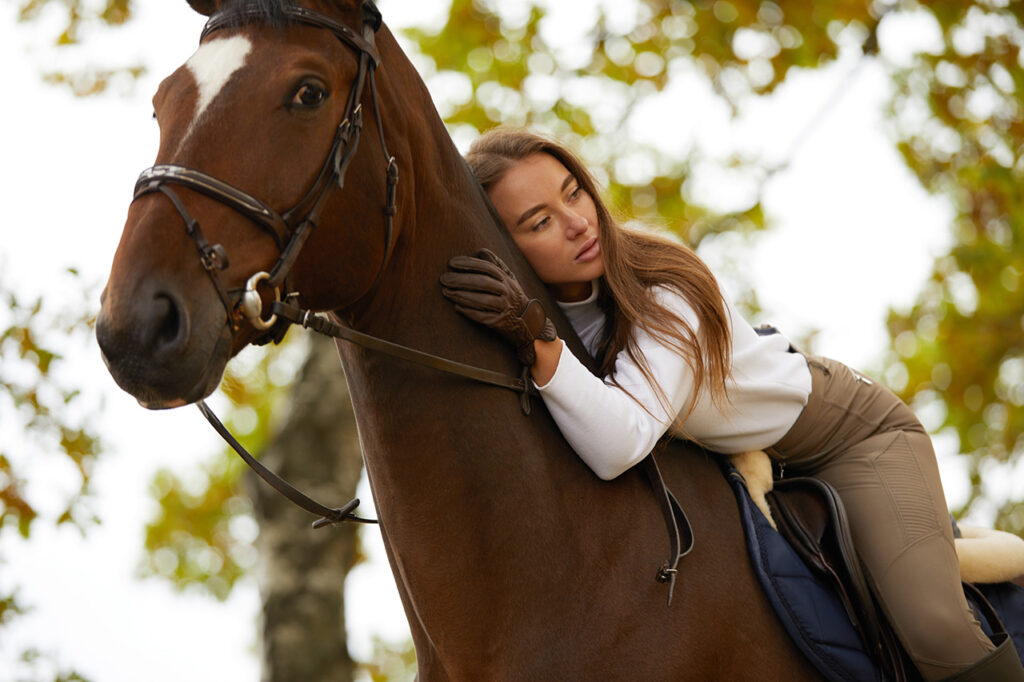
– **Soft, relaxed eyes**: Suggest that the horse is calm and comfortable in its environment.
Mouth and Nostrils
The horse’s mouth and nostrils can give additional insights:
– **Tight lips and flared nostrils**: Often signify tension or anxiety.
– **Relaxed lips and nostrils**: Indicate a calm and content horse.
– **Lip licking or chewing**: Can be a sign of submission or a horse processing new information.
Tail
A horse’s tail is another expressive part of its body:
– **High tail carriage**: Shows excitement or alertness.
– **Low, relaxed tail**: Indicates a calm and relaxed demeanor.
– **Swishing tail**: Can be a sign of irritation or discomfort, often used to shoo away flies or express annoyance.
Posture and Movement
The overall posture and movement of a horse can reveal a lot about its feelings and intentions:
– **Tense, rigid stance**: Suggests the horse is on high alert or experiencing stress.
– **Relaxed posture with a lowered head**: Indicates the horse is at ease and comfortable.
– **Pawing or stamping**: Often a sign of impatience or frustration.
Understanding Hierarchy in Horse Herds
Horses are social animals that naturally form herds in the wild. Understanding herd dynamics is essential for interpreting horse body language. Within a herd, there is a social hierarchy, and horses use body language to establish and maintain their position within this structure.
– **Dominant horses**: Use assertive body language such as ear pinning, head lowering, and direct eye contact to assert control.
– **Subordinate horses**: Display submissive behaviors like turning their heads away, avoiding eye contact, or moving aside to defer to more dominant horses.
Understanding these dynamics can help horse handlers manage groups of horses effectively and prevent conflicts.
Recognizing Signs of Discomfort or Pain
One of the most critical aspects of decoding horse body language is recognizing signs of discomfort or pain. Horses are prey animals, and they often hide pain to avoid appearing vulnerable to predators. However, there are subtle cues that can indicate a horse is in distress:
– **Restlessness or frequent shifting of weight**: May suggest discomfort or pain in the limbs or hooves.
– **Sudden changes in behavior or temperament**: Can be a red flag for underlying health issues.
– **Excessive rolling or lying down**: Might indicate colic, a potentially life-threatening condition.
Building Trust and Communication
Developing a strong bond with a horse requires trust and effective communication. By understanding and responding to a horse’s body language, handlers can create a positive and respectful relationship. Here are some tips to enhance communication with horses:
– **Be observant**: Pay close attention to the horse’s body language and respond appropriately.
– **Approach calmly**: Horses are sensitive to energy and can sense nervousness or aggression. Approach them with a calm and relaxed demeanor.
– **Respect personal space**: Understand a horse’s comfort zone and avoid invading it. Give them space to feel secure.
– **Use positive reinforcement**: Reward desired behaviors to encourage trust and cooperation.
The Role of Training in Understanding Body Language
Training plays a crucial role in understanding and influencing horse body language. Consistent and respectful training helps horses learn to communicate effectively with humans. It also allows handlers to read and respond to subtle cues more accurately.
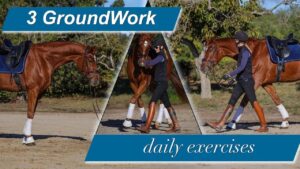
– **Groundwork exercises**: Enhance communication by teaching horses to respond to visual and verbal cues.
– **Desensitization**: Helps horses become accustomed to new stimuli, reducing fear and stress.
– **Consistent routines**: Provide predictability, helping horses feel secure and reducing anxiety.
Case Studies: Real-Life Examples
To illustrate the importance of understanding horse body language, consider these real-life scenarios:
– **Scenario 1**: A horse with pinned back ears and a swishing tail may be reacting to an uncomfortable saddle. By recognizing these signs, the rider can adjust the tack to prevent discomfort.
– **Scenario 2**: A horse displaying wide eyes and tense posture when being introduced to a new environment may benefit from gradual desensitization to reduce anxiety.
Conclusion
Decoding horse body language is an essential skill for anyone involved with horses. By understanding and interpreting the subtle cues horses provide, handlers can ensure the well-being, safety, and happiness of these magnificent animals. Effective communication builds trust, enhances training, and fosters a strong bond between humans and horses. With practice and observation, anyone can become adept at reading horse body language and creating a harmonious partnership with these incredible creatures.