Parasite control is a critical aspect of maintaining the health and well-being of horses. Parasites can lead to a variety of health issues, ranging from mild discomfort to severe, life-threatening conditions. Effective parasite control involves a comprehensive strategy that includes regular monitoring, strategic deworming, and environmental management. In this article, we will explore effective strategies for comprehensive horse parasite control, including understanding the types of parasites, implementing a targeted deworming program, and employing environmental management practices.
Understanding Horse Parasites
Before implementing control measures, it’s crucial to understand the types of parasites that commonly affect horses. The most prevalent equine parasites include:
Roundworms (Ascarids)
Primarily affecting young horses, roundworms can cause respiratory issues and intestinal blockages. They are highly resilient and can persist in the environment for extended periods.
Strongyles
These parasites are classified into large and small strongyles. Large strongyles can cause significant damage to the horse’s blood vessels, while small strongyles can cause colic and diarrhea.
Tapeworms
Tapeworms attach themselves to the horse’s intestinal wall, leading to colic and digestive disturbances. They are often overlooked due to their subtle symptoms.
Pinworms
Pinworms are less harmful but cause irritation around the tail area, leading to tail rubbing and skin abrasions.
Botflies
Botflies lay eggs on the horse’s coat, which are ingested during grooming. The larvae can cause gastric irritation and ulcers.
Implementing a Targeted Deworming Program
A targeted deworming program is essential for effective parasite control. This approach is based on the principle of treating horses selectively, rather than using a one-size-fits-all strategy. Here are key elements to consider:
Fecal Egg Counts (FEC)
Conducting regular fecal egg counts is a crucial step in targeted deworming. FECs help determine the types and loads of parasites present in individual horses, allowing for a more precise treatment plan. By identifying high shedders, you can focus deworming efforts on those horses, reducing the risk of developing drug-resistant parasites.
Strategic Deworming
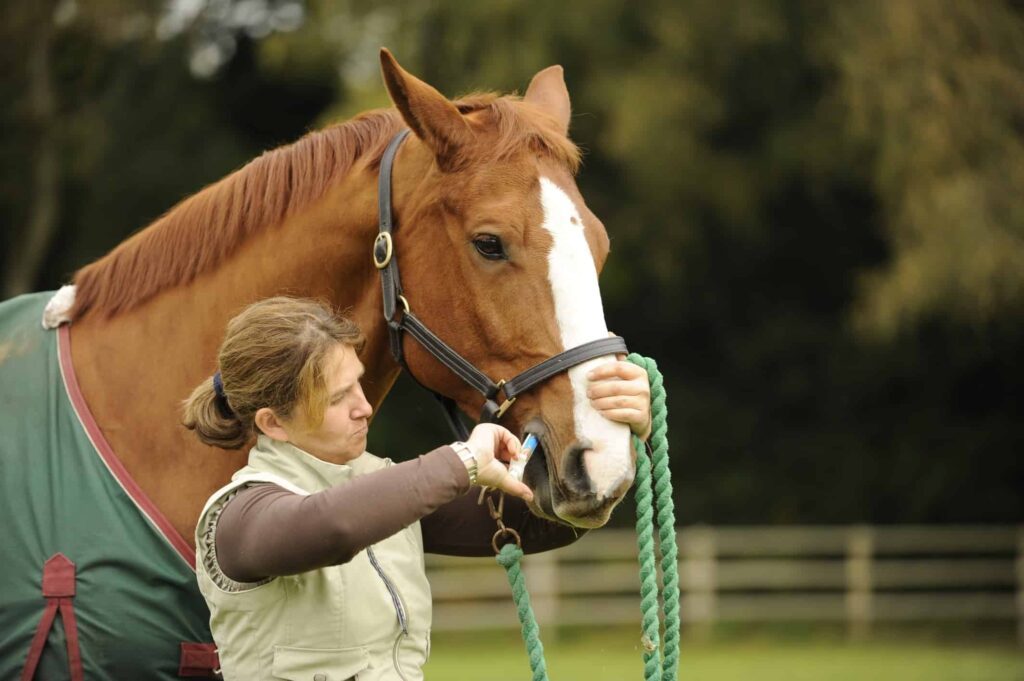
Strategic deworming involves administering anthelmintics at specific times when parasite burdens are likely to be highest. For instance, treating for strongyles in early spring before they begin their lifecycle can minimize their impact. It is important to rotate deworming medications to prevent resistance development.
Age-Specific Deworming
Horses of different ages require different deworming strategies. Young horses are more susceptible to roundworms, while adult horses are more prone to strongyles. Tailoring deworming protocols according to age ensures that each horse receives the appropriate care.
Environmental Management for Parasite Control
Effective parasite control extends beyond deworming and involves managing the horse’s environment to reduce parasite exposure.
Pasture Management
Rotational grazing can help minimize parasite loads in pastures. By allowing pastures to rest, you interrupt the lifecycle of parasites, reducing their numbers. Additionally, regularly picking up manure from pastures can significantly decrease parasite contamination.
Stable Hygiene
Maintaining clean and dry stables is essential in reducing the risk of parasite infestation. Regularly removing manure and maintaining good ventilation can help prevent the buildup of parasite eggs and larvae.
Feed and Water Management
Ensuring clean feed and water sources is vital in preventing the ingestion of parasites. Use feeders and water troughs that minimize contamination and regularly clean them to prevent parasite transmission.
Quarantine New Horses
When introducing new horses to your herd, it is essential to quarantine them and conduct fecal egg counts to assess their parasite status. This practice prevents the introduction of new parasite strains and ensures that incoming horses do not pose a risk to the existing herd.
Monitoring and Assessing Parasite Control Programs
Continual monitoring and assessment of your parasite control program are key to its success. Regularly evaluate the effectiveness of your strategies by:
Conducting Fecal Egg Count Reduction Tests (FECRT)
FECRT can help determine the efficacy of dewormers by measuring the reduction in fecal egg counts after treatment. This test helps identify anthelmintic resistance and guides future deworming decisions.
Monitoring Horse Health
Regularly assess the overall health and condition of your horses. Look for signs of parasitic infections, such as weight loss, poor coat condition, and colic. Early detection and intervention can prevent more severe health issues.
Education and Collaboration
Education and collaboration with equine health professionals are crucial in developing and maintaining an effective parasite control program.
Stay Informed
Stay up-to-date with the latest research and developments in parasite control. New findings and recommendations from veterinarians and equine health experts can provide valuable insights into improving your control strategies.
Work with Your Veterinarian
Collaborate with your veterinarian to design a comprehensive parasite control program tailored to your herd’s needs. Veterinarians can provide expert guidance on deworming protocols, fecal testing, and overall health management.
Conclusion
Effective parasite control in horses requires a multifaceted approach that includes understanding the types of parasites, implementing targeted deworming programs, managing the environment, and monitoring horse health. By adopting a comprehensive strategy and working closely with equine health professionals, horse owners can minimize the impact of parasites and maintain the health and well-being of their horses. Regular assessment and adaptation of control measures ensure that parasite burdens are kept in check, reducing the risk of resistance and promoting a healthy equine environment.