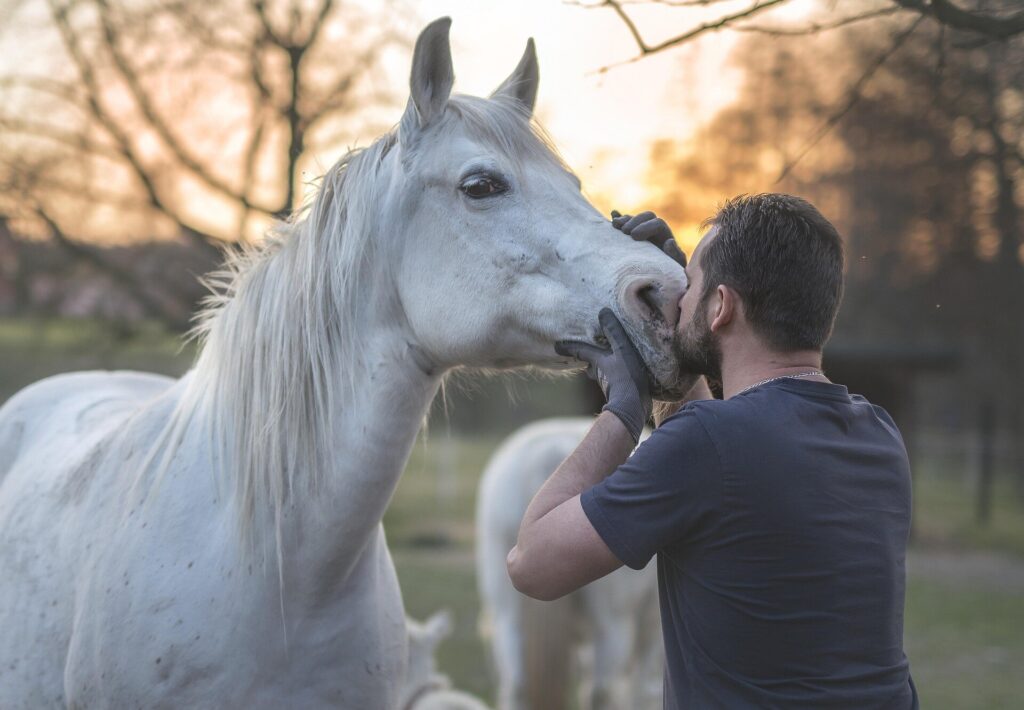
Understanding horse behavior is crucial for anyone involved with these magnificent creatures, whether it be a seasoned equestrian or a novice enthusiast. Horses, as prey animals, have evolved with finely tuned senses and behaviors critical for their survival. Decoding their behavior helps in ensuring their well-being, enhancing training, and fostering a deeper bond between humans and horses. This article delves into key signs of horse behavior, offering insights into their communication and emotions.
Understanding the Basics of Horse Behavior
Horses are social animals with complex behaviors, primarily driven by their instincts as prey animals. Their behavior is influenced by their environment, interactions with other horses, and interactions with humans. Recognizing these behaviors can help in managing and training horses effectively.
Social Structure and Communication
Horses naturally form herds, and their social structure is hierarchal. Within a herd, horses communicate through body language, vocalizations, and other subtle cues. Understanding these communication methods is essential for interpreting their behavior.
Body Language
Body language is the primary way horses communicate. They use their ears, eyes, tail, and overall posture to convey their feelings and intentions.
– **Ears:** Forward-facing ears indicate interest or curiosity, while pinned-back ears can signal aggression or discomfort. Ears that move frequently show attentiveness or alertness.
– **Eyes:** A relaxed horse will have soft eyes, while wide-open eyes with whites showing can indicate fear or surprise.
– **Tail:** A gently swishing tail can indicate relaxation, whereas a rapidly swishing tail might suggest irritation or anxiety.
– **Posture:** A horse with a relaxed posture is calm, while a tense, rigid stance may indicate stress or readiness to flee.
Recognizing Signs of Stress and Discomfort
Identifying signs of stress and discomfort in horses is crucial for their welfare and safety. Stress can be caused by environmental changes, poor handling, or health issues.
Signs of Stress
– **Pacing or Stall Walking:** Repetitive walking in circles or back and forth can indicate boredom or anxiety.
– **Weaving:** A horse that shifts its weight from side to side may be stressed or have a lack of stimulation.
– **Excessive Sweating:** Unexplained sweating, especially in cool weather, can be a sign of stress.
– **Yawning:** While yawning can be a sign of relaxation, excessive yawning might indicate stress or discomfort.
Signs of Discomfort or Pain
– **Lameness:** Any irregularity in gait can be a sign of pain or discomfort.
– **Biting or Kicking at the Belly:** This behavior can indicate abdominal pain or colic.
– **Reluctance to Move:** A horse that is hesitant to move may be experiencing pain.
– **Changes in Eating Habits:** A decrease in appetite or sudden changes in eating behavior can signal health issues.
Recognizing Signs of Aggression
Aggression in horses can be dangerous and is often a sign of fear, dominance, or discomfort. Recognizing these signs early can prevent injuries and help in addressing underlying issues.
Common Aggressive Behaviors
– **Biting:** Horses may nip or bite due to fear, irritation, or as a display of dominance.
– **Kicking:** This can be a defensive behavior or a reaction to being startled.
– **Charging:** A horse that charges may feel threatened or is asserting dominance.
– **Pinned Ears and Bared Teeth:** These are clear signs of aggression and should be taken seriously.
Signs of Curiosity and Playfulness
Horses are intelligent and curious animals, and recognizing signs of curiosity and playfulness can enhance training and bonding experiences.
Curiosity
– **Sniffing and Exploring:** Horses often investigate new objects or environments by sniffing.
– **Alert Ears and Eyes:** Forward-facing ears and attentive eyes indicate curiosity.
– **Following Behavior:** A curious horse may follow humans or other animals to explore.
Playful Behavior
– **Bucking and Kicking:** In a playful context, these actions are often part of frolicking.
– **Nudging:** Gentle nudging can be a sign of affection or a request for attention.
– **Chasing and Playing with Objects:** Horses may chase each other or play with objects, indicating a playful mood.
Building a Stronger Bond Through Understanding
Understanding horse behavior is not just about recognizing signs; it’s about building a relationship based on trust and mutual respect. By interpreting their signals correctly, handlers can respond appropriately, creating a positive and supportive environment for the horse.
Effective Communication
Effective communication with horses involves not only understanding their behavior but also being consistent and clear in human responses. Positive reinforcement, patience, and consistency are key to successful training and building trust.
Creating a Positive Environment
Providing a safe and enriching environment is essential for a horse’s mental and physical well-being. This includes proper nutrition, regular exercise, social interaction, and mental stimulation.
Conclusion
Decoding horse behavior involves a keen observation of their body language, vocalizations, and actions. By recognizing key signs of stress, aggression, curiosity, and playfulness, handlers can ensure the well-being of their horses and strengthen the human-horse bond. Understanding these behaviors allows for safer handling, more effective training, and ultimately, a more rewarding relationship with these majestic animals.