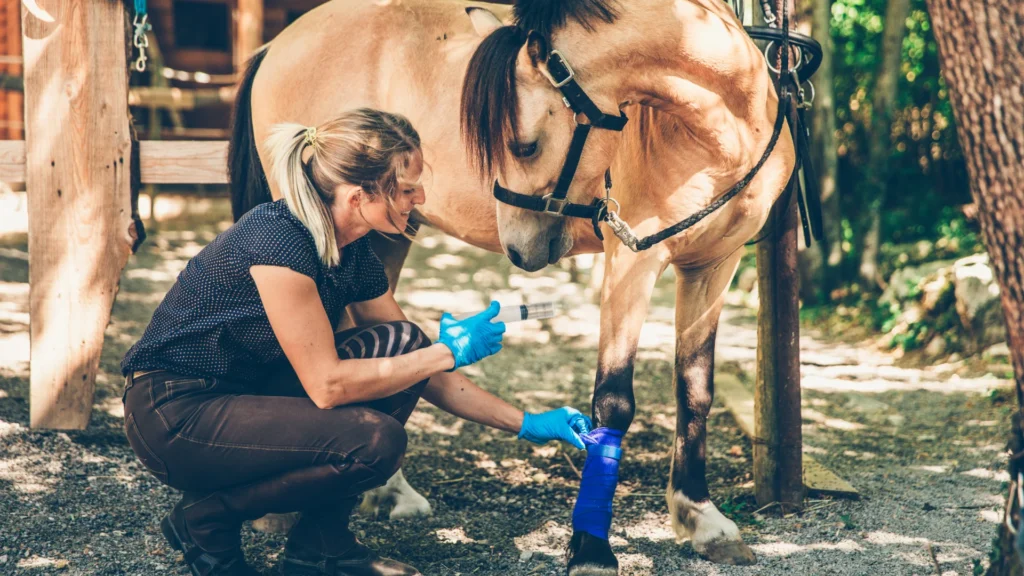
Arthritis is a common and often debilitating condition that affects horses of all ages, sizes, and breeds. With advancements in veterinary medicine and a better understanding of equine health, horse owners have more tools than ever to manage and treat arthritis effectively. This article explores the causes of equine arthritis, symptoms to watch for, and the most effective treatments to ensure optimal mobility and quality of life for horses.
Understanding Equine Arthritis
Arthritis in horses is an inflammatory condition that affects the joints, leading to pain and decreased mobility. It can be caused by a variety of factors, including age, injury, repetitive stress, and genetic predisposition. Understanding the specific type of arthritis affecting a horse is crucial to determining the most effective treatment plan.
Types of Arthritis in Horses
The two primary types of arthritis affecting horses are:
-
Osteoarthritis (Degenerative Joint Disease): This is the most common form of arthritis in horses. It results from the gradual wear and tear of cartilage within the joints. Over time, this wear leads to inflammation, pain, and decreased joint function.
-
Septic Arthritis: This type occurs when a joint becomes infected, leading to severe inflammation. It is often the result of bacterial infection following an injury or surgical procedure.
Recognizing Symptoms of Arthritis in Horses
Early detection of arthritis can significantly improve treatment outcomes. Common symptoms include:
-
Stiffness, particularly after rest or during cold weather
-
Swelling around the joints
-
Reluctance to move, jump, or exercise
-
Lameness, which can be intermittent or persistent
-
Pain or discomfort when the affected joint is touched or manipulated
Effective Treatments for Equine Arthritis
Managing arthritis in horses often requires a multifaceted approach. Below are some of the most effective treatments available:
Medications
Medications are a cornerstone in managing equine arthritis, and they generally include:
-
Non-Steroidal Anti-Inflammatory Drugs (NSAIDs): These are commonly used to reduce inflammation and relieve pain. Examples include phenylbutazone (bute) and flunixin meglumine.
-
Corticosteroids: These are often injected directly into the affected joint to provide rapid relief from inflammation and pain.
-
Hyaluronic Acid: Administered via injection, hyaluronic acid helps to lubricate the joint and reduce inflammation.
Nutritional Supplements
Nutritional supplements can play a supportive role in managing arthritis. Key supplements include:
-
Glucosamine and Chondroitin Sulfate: These compounds support joint health by promoting the repair and maintenance of cartilage.
-
Omega-3 Fatty Acids: Known for their anti-inflammatory properties, omega-3 fatty acids can help alleviate joint pain and stiffness.
-
Methylsulfonylmethane (MSM): This supplement is believed to reduce inflammation and support overall joint health.
Physical Therapies
Physical therapies are essential in maintaining and improving joint mobility. These include:
-
Regular Exercise: Controlled exercise helps maintain joint flexibility and muscle strength. It’s important to tailor the exercise regimen to the horse’s abilities and limitations.
-
Hydrotherapy: Swimming or walking in water can provide a low-impact workout that reduces stress on the joints while promoting muscle strength and cardiovascular health.
-
Massage and Stretching: Regular massage and stretching can relieve muscle tension around arthritic joints, improving overall mobility and comfort.
Alternative Therapies
Some horse owners turn to alternative therapies to complement traditional treatments. These include:
-
Acupuncture: This ancient practice can help alleviate pain and improve mobility by stimulating specific points on the horse’s body.
-
Chiropractic Care: Adjustments by a qualified practitioner can help maintain the alignment of the horse’s spine and joints, which may improve overall comfort and mobility.
-
Herbal Remedies: Herbal supplements such as devil’s claw and turmeric are believed to have anti-inflammatory properties that can aid in managing arthritis symptoms.
Surgical Interventions
In severe cases of arthritis, surgical intervention may be necessary. Options include:
-
Arthroscopy: A minimally invasive procedure used to diagnose and treat joint issues, including removing bone or cartilage fragments that may be causing pain.
-
Joint Fusion (Arthrodesis): In cases where pain and instability are severe, fusing the joint can provide stability and reduce pain, although it eliminates joint movement.
Strategies for Prevention and Management
While not all cases of arthritis can be prevented, certain strategies can minimize the risk and help manage the condition:
Weight Management
Maintaining a healthy weight is crucial, as excess weight places additional stress on joints, exacerbating arthritis symptoms.
Proper Hoof Care
Regular trimming and balanced shoeing can prevent uneven weight distribution, which can lead to joint stress and contribute to arthritis.
Balanced Diet
Providing a balanced diet that meets all nutritional needs supports overall health and can help maintain joint integrity.
Regular Veterinary Check-Ups
Routine veterinary examinations can help detect early signs of arthritis and other health issues, allowing for prompt intervention.
Conclusion
Arthritis in horses is a challenging condition, but with the right combination of treatments and management strategies, many horses can continue to live active, comfortable lives. By staying informed and working closely with a veterinarian, horse owners can ensure their equine companions receive the best possible care for maintaining mobility and quality of life.
#ChatGPT assisted in the creation of this article.