Maintaining a healthy weight is as crucial for horses as it is for humans. Obesity in horses can lead to numerous health problems, including insulin resistance, laminitis, and other metabolic disorders. Understanding how to effectively manage a horse’s weight through a balanced diet is essential for their optimal health and longevity. This article will delve into the components of an effective horse weight loss diet and provide insights into how to implement these strategies safely and effectively.
Understanding Equine Obesity
Before addressing weight loss, it’s important to understand what constitutes obesity in horses. Obesity occurs when there is an excessive accumulation of body fat, which can hinder a horse’s normal physiological functions. Several factors contribute to equine obesity, including overfeeding, lack of exercise, and genetic predispositions.
Identifying an Overweight Horse
Body condition scoring (BCS) is a commonly used method to assess a horse’s weight status. This involves evaluating fat deposits in specific areas such as the neck, withers, ribs, and tailhead. A score of 1 indicates emaciation, while a score of 9 indicates extreme obesity. An ideal BCS for most horses is between 4 and 6. Horses scoring above this range may require a weight loss plan.
Components of an Effective Weight Loss Diet
An effective weight loss diet for horses should focus on reducing caloric intake while ensuring that all nutritional needs are met. The diet should be balanced, providing adequate fiber, protein, vitamins, and minerals.
High-Fiber, Low-Calorie Forage
Forage should form the foundation of a horse’s diet, even when aiming for weight loss. High-fiber, low-calorie hay such as mature grass hay is ideal. Legume hays like alfalfa tend to be higher in calories and should be limited. For horses on restricted diets, hay can be soaked in water for 30 minutes before feeding to reduce its sugar content, which is particularly useful for horses prone to laminitis.
Controlled Concentrate Intake
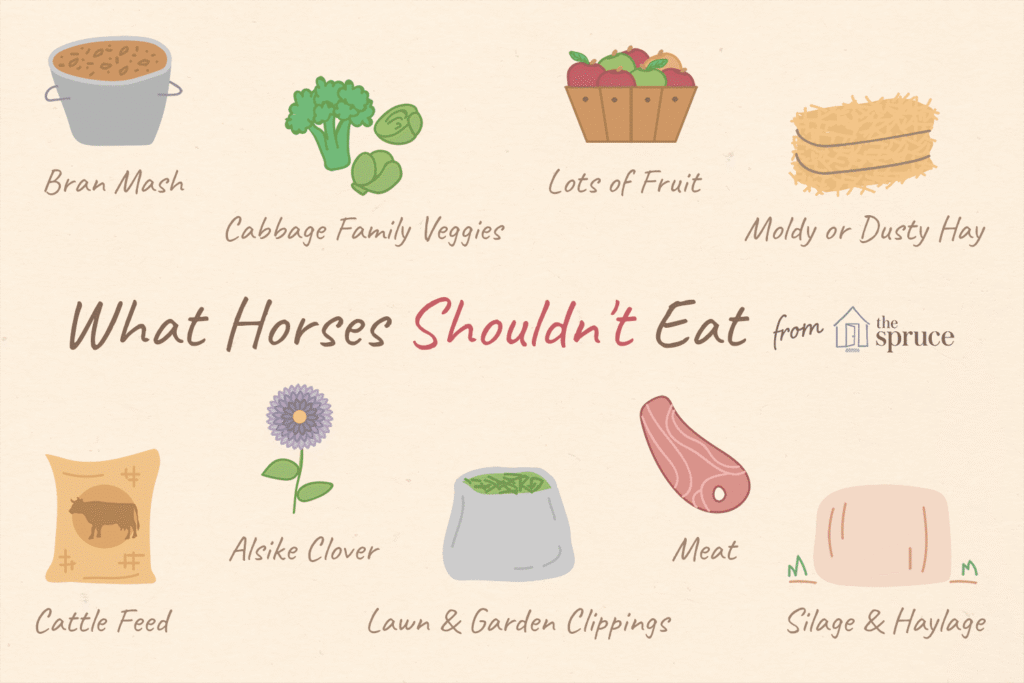
Concentrates are often calorie-dense and should be fed sparingly to overweight horses. If concentrates are necessary, opt for low-calorie, high-fiber options specifically designed for weight management. These feeds are formulated to provide essential nutrients without excessive calories.
Supplementation
While reducing caloric intake, it’s vital to ensure horses still receive adequate vitamins and minerals. A well-balanced vitamin and mineral supplement can help fill any nutritional gaps. Omega-3 fatty acids, found in flaxseed or fish oil, can support metabolic health and should be included in the diet.
Monitor Grazing
Pasture grass can be a hidden source of calories, especially during periods of rapid growth. Using a grazing muzzle can help limit a horse’s intake of fresh grass while allowing them to exercise and socialize with other horses.
Implementing a Weight Loss Plan
Once the diet components are understood, the next step is implementation. A successful weight loss plan requires careful monitoring and adjustments as needed.
Establishing a Baseline
Before starting a weight loss program, record the horse’s current weight and BCS. Use a weight tape or scale for accuracy. Establishing a baseline will help in tracking progress and making necessary dietary adjustments.
Regular Monitoring and Adjustment
Regularly weigh the horse and reassess their BCS. Aim for a gradual weight loss of 0.5-1.0% of body weight per week. Rapid weight loss can lead to health issues such as hyperlipemia, particularly in ponies and miniature horses.
Exercise Regimen
Alongside dietary changes, increasing physical activity is crucial for weight loss. Develop a structured exercise program tailored to the horse’s current fitness level. Gradually increase the intensity and duration of exercise to avoid injury.
Addressing Special Considerations
Some horses may have specific conditions that require additional considerations when planning a weight loss diet.
Metabolic Disorders
Horses with metabolic conditions like Equine Metabolic Syndrome (EMS) or Pituitary Pars Intermedia Dysfunction (PPID) often require stricter dietary controls. Regular consultation with a veterinarian or equine nutritionist is recommended to tailor a diet that addresses these specific needs while promoting weight loss.
Senior Horses
Older horses may have different nutritional requirements due to age-related changes in digestion and metabolism. Ensure their diet provides adequate protein and is easily digestible, while still being mindful of calorie intake.
Conclusion
Managing a horse’s weight through an effective weight loss diet is crucial for their health and well-being. By focusing on high-fiber, low-calorie forage, controlling concentrate intake, and supplementing essential nutrients, horse owners can help their horses achieve and maintain a healthy weight. Regular monitoring and adjustments, alongside a tailored exercise regimen, ensure that weight loss is achieved safely and sustainably. Special considerations should be made for horses with metabolic disorders or those in their senior years. Ultimately, collaboration with a veterinarian or equine nutritionist can provide valuable guidance in crafting a diet that promotes optimal health for your horse.