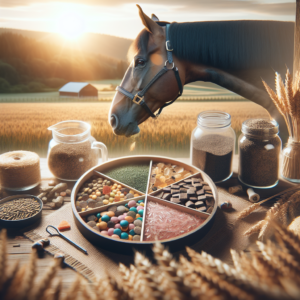
Feeding a horse is a nuanced task that requires a balance of nutrients, understanding of the horse’s health and workload, and an awareness of the latest nutritional research. As we approach 2026, advancements in equine nutrition and a better understanding of horses’ dietary needs enable horse owners to provide better care. This guide outlines the essential feeding strategies for maintaining optimal health and performance in horses.
Understanding Basic Nutritional Needs
Horses are herbivores with a digestive system designed to process a high-fiber diet primarily composed of forage. The main components of a horse’s diet include:
Forage
Forage should form the foundation of every horse’s diet, ideally constituting at least 50% to 100% of their intake by weight. High-quality hay or pasture provides essential fiber, supporting gastrointestinal health and preventing issues such as colic. In 2026, more horse owners are turning to rotational grazing and diverse pasture blends to ensure a variety of nutrients.
Concentrates
Concentrates, such as grains and commercial feeds, provide additional energy and nutrients. These are especially important for performance horses, pregnant or lactating mares, and growing foals. While selecting concentrates, it’s crucial to choose products with a balanced nutrient profile tailored to your horse’s specific needs.
Water
Adequate water intake is vital for all horses, as it supports digestion, nutrient absorption, and temperature regulation. Horses typically need between 5 to 10 gallons of fresh water daily, depending on their activity level and the climate.
Vitamins and Minerals
Vitamins and minerals are essential for various bodily functions, including bone development, immune function, and energy production. A balanced diet usually provides these nutrients, but supplementation may be necessary if deficiencies are identified.
Top Feeding Tips for 2026
Personalized Nutrition Plans
Advancements in equine nutrition have made it possible to develop personalized feeding plans based on a horse’s specific needs. Factors such as age, breed, weight, activity level, and health status should all be considered when formulating a diet. Consulting with an equine nutritionist can help create a tailored feeding regimen that optimizes health and performance.
Monitoring Body Condition
Regularly assessing your horse’s body condition score (BCS) is crucial for maintaining a healthy weight. A BCS ranges from 1 (emaciated) to 9 (obese), with a score of 4 to 6 being ideal for most horses. Adjusting feed intake based on body condition helps prevent obesity-related issues and ensures adequate energy for underweight horses.
Emphasizing Forage Quality
The quality of forage significantly impacts a horse’s health. In 2026, more emphasis is placed on testing hay for nutrient content, including protein, fiber, and mineral levels. This information helps in adjusting the diet to fill any nutritional gaps and ensures that forage meets the horse’s dietary needs.
Incorporating Digestive Aids
Digestive aids such as probiotics and prebiotics are becoming increasingly popular. These supplements support gut health by maintaining a healthy microbial balance, enhancing nutrient absorption, and reducing the risk of digestive disturbances. Including these in your horse’s diet can improve overall health and performance.
Managing Feeding Times
Horses are natural grazers and benefit from frequent, small meals throughout the day. This feeding strategy helps maintain stable blood sugar levels and reduces the risk of gastric ulcers. As we move into 2026, automated feeders and smart feeding technologies are gaining popularity, allowing for more precise and consistent feeding schedules.
Addressing Special Needs
Some horses have specific dietary requirements due to conditions such as insulin resistance, laminitis, or senior age. For these horses, specialized diets low in non-structural carbohydrates (NSC) or high in easily digestible fiber may be necessary. Customizing diets for special needs can prevent exacerbation of health issues and improve quality of life.
Understanding the Role of Supplements
The supplement market continues to grow, offering products for joint health, coat condition, and immune support, among others. However, it’s important to evaluate whether supplements are necessary and beneficial for your horse. Consulting with a veterinarian or nutritionist ensures that supplements complement the existing diet without causing imbalances.
Future Trends in Equine Nutrition
The field of equine nutrition is evolving, with several trends expected to shape feeding practices in 2026 and beyond.
Sustainability in Feeding Practices
Sustainable feeding practices are gaining traction, with a focus on reducing waste and environmental impact. This includes sourcing locally produced feeds, utilizing recyclable packaging, and integrating sustainable farming practices.
Advancements in Feed Technology
Innovations in feed technology, such as pelleted and extruded feeds, offer improved digestibility and nutrient availability. These products are particularly beneficial for horses with dental issues or poor nutrient absorption, providing a convenient and effective feeding option.
Genetic Testing for Nutritional Needs
Genetic testing is becoming an intriguing tool for determining a horse’s specific nutritional needs. By analyzing genetic markers, owners can gain insights into metabolism, predisposition to certain conditions, and optimal dietary requirements, leading to more personalized feeding strategies.
Conclusion
Feeding horses effectively requires a comprehensive understanding of their nutritional needs and the ability to adapt to new advancements in equine nutrition. By focusing on high-quality forage, personalized nutrition, and the latest feeding technologies, horse owners can ensure their animals remain healthy and perform at their best. As we embrace 2026, these top feeding tips offer a foundation for achieving balanced and sustainable equine diets.