Caring for a horse is a rewarding experience that comes with significant responsibilities. Horses are majestic creatures that require dedicated attention to maintain their health and well-being. Whether you’re a seasoned equestrian or a first-time horse owner, understanding the essentials of horse health care is crucial for ensuring your horse lives a long, healthy life. This article will explore essential horse health care tips to promote optimal wellness, covering everything from nutrition and exercise to grooming and monitoring for health issues.
Proper Nutrition
Balanced Diet
A balanced diet is fundamental to a horse’s health. Horses are herbivores with digestive systems designed to process high-fiber diets. The cornerstone of a horse’s diet is forage, such as hay or pasture grass. Ensure that your horse has access to clean, high-quality forage throughout the day. It provides the necessary fiber and nutrients needed for healthy digestion.
Concentrates and Supplements
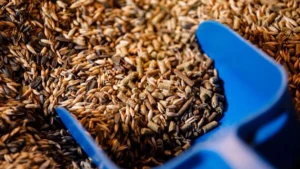
In addition to forage, some horses may require concentrates, such as grains, to meet their energy needs. However, it’s essential to tailor the amount and type of concentrates to the individual horse’s activity level, age, and health status. Overfeeding concentrates can lead to obesity and other health issues. Supplements can be beneficial for certain horses, but they should only be used when recommended by a veterinarian to address specific deficiencies or health conditions.
Hydration
Water is a critical component of a horse’s diet. Ensure your horse has unlimited access to clean, fresh water at all times. Dehydration can lead to colic and other serious health issues, so it’s vital to monitor water intake, especially during hot weather or periods of increased physical activity.
Regular Exercise
Importance of Physical Activity
Regular exercise is crucial for a horse’s physical and mental health. Exercise helps maintain a healthy weight, promotes good circulation, and supports muscular and skeletal health. Moreover, it provides mental stimulation, reducing the risk of behavioral issues.
Tailored Exercise Programs
The type and amount of exercise a horse needs depend on factors like age, breed, and overall health. Work with a veterinarian or an equine professional to develop an exercise program tailored to your horse’s needs. Whether it’s daily turnout, riding sessions, or training exercises, ensure your horse receives adequate physical activity to stay fit and healthy.
Routine Veterinary Care
Regular Check-Ups
Regular veterinary check-ups are essential for early detection and prevention of health issues. Schedule routine physical exams at least once a year, or more frequently for older horses or those with existing health conditions. A veterinarian can assess your horse’s overall health, administer vaccinations, and offer guidance on nutrition and care.
Vaccinations and Deworming
Vaccinations are vital for protecting horses from infectious diseases like equine influenza, tetanus, and West Nile virus. Follow the recommended vaccination schedule from your veterinarian to ensure your horse is adequately protected. Deworming is another critical aspect of routine care. Horses are susceptible to internal parasites, so implement a strategic deworming program based on fecal egg counts and veterinary recommendations.
Grooming and Hoof Care
Regular Grooming
Grooming is not only about keeping your horse looking good; it’s an essential part of health care. Regular grooming helps remove dirt and debris from the coat, preventing skin conditions and infections. It also provides an opportunity to check for cuts, swellings, or other abnormalities. Invest in quality grooming tools and make grooming a part of your daily routine to strengthen the bond between you and your horse.
Hoof Maintenance
Proper hoof care is crucial for a horse’s overall health. Regular hoof trimming and shoeing, if necessary, are essential to prevent lameness and other hoof-related problems. Work with a skilled farrier to establish a hoof care schedule that suits your horse’s needs. Clean your horse’s hooves daily to remove debris and check for signs of thrush or other hoof issues.
Monitoring Health and Behavior
Recognizing Signs of Illness
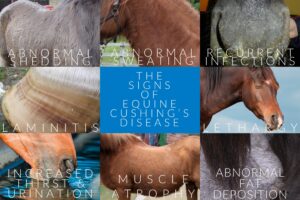
Being attentive to your horse’s behavior and physical condition is key to early illness detection. Watch for signs of discomfort or distress, such as changes in appetite, weight loss, lethargy, coughing, or nasal discharge. Early intervention can prevent minor issues from developing into serious health problems.
Behavioral Observations
Understanding your horse’s normal behavior makes it easier to detect changes that could indicate health issues. Horses are creatures of habit, and deviations from their usual behavior patterns can be a sign of pain or discomfort. Spend time observing your horse daily to become familiar with their behavior and demeanor.
Environmental Management
Safe and Clean Living Conditions
Providing a safe and clean environment is essential for your horse’s health. Ensure that your horse’s living quarters are free from hazards and kept clean to reduce the risk of injury and illness. Regularly remove manure and provide fresh bedding to maintain a hygienic environment.
Proper Shelter
Horses need protection from extreme weather conditions. A well-designed shelter can provide shade in the heat and protection from wind and rain. Ensure that your horse has access to shelter when needed and that it is well-ventilated and free from drafts.
Mental Well-being
Social Interaction
Horses are social animals that thrive on interaction with other horses. Isolation can lead to stress and behavioral problems. If possible, allow your horse to socialize with other horses through turnout or by providing a companion.
Mental Stimulation
In addition to physical exercise, mental stimulation is crucial for a horse’s well-being. Engage your horse in activities that challenge their mind, such as obstacle courses, training exercises, or learning new skills. Mental stimulation helps prevent boredom and encourages a positive mental state.
Conclusion
Caring for a horse requires dedication, knowledge, and commitment. By prioritizing proper nutrition, regular exercise, routine veterinary care, grooming, and mental well-being, you can ensure your horse enjoys optimal health and a fulfilling life. Remember, every horse is unique, so tailor your care approach to suit the specific needs of your equine companion. With the right care, your horse will thrive and continue to bring joy and companionship for years to come.