Owning a horse is a rewarding experience, but it comes with the significant responsibility of ensuring your equine companion’s health and well-being. Horses are majestic creatures that require diligent care and attention to thrive. This article provides essential horse health tips that every owner should know, ensuring your horse remains healthy and happy.
Regular Veterinary Check-Ups
Consistent veterinary care is the cornerstone of maintaining your horse’s health. Schedule regular check-ups with a qualified equine veterinarian to monitor your horse’s overall health and address any potential issues early on. These visits typically include vaccinations, dental examinations, and routine health assessments.
Vaccinations and Preventative Care
Vaccinations are vital in protecting your horse from infectious diseases such as tetanus, West Nile virus, and equine influenza. Your veterinarian will provide a vaccination schedule tailored to your horse’s age, lifestyle, and geographic location. Preventative care, including deworming and parasite control, is also crucial to keep your horse free from internal and external parasites.
Dental Health
Dental care is often overlooked, yet it is essential for your horse’s overall health. Regular dental check-ups can prevent painful conditions like sharp enamel points, overgrown teeth, and gum disease. A qualified equine dentist or veterinarian should perform dental examinations at least once a year.
Balanced Nutrition
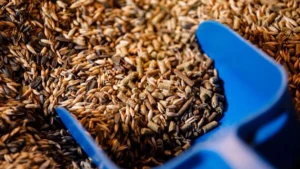
Proper nutrition is fundamental to your horse’s health. Horses require a balanced diet that includes forage, grains, vitamins, and minerals. Providing adequate roughage, such as hay or pasture, is crucial for their digestive health. Consult with an equine nutritionist to create a diet plan that meets your horse’s specific needs based on age, activity level, and health condition.
Hydration
Water is a vital component of your horse’s diet. Ensure your horse has constant access to clean, fresh water. Dehydration can lead to serious health issues, including colic and kidney problems. Monitor your horse’s water intake, especially during hot weather or after intense exercise.
Proper Exercise and Training
Regular exercise is essential for maintaining your horse’s physical and mental well-being. Develop a consistent exercise routine that includes a mix of riding, lunging, and turnout time. Exercise helps maintain a healthy weight, builds muscle, and promotes cardiovascular health.
Mental Stimulation
Horses are intelligent animals that benefit from mental stimulation. Incorporate training exercises and activities that challenge their minds, such as obstacle courses or learning new skills. This not only keeps them engaged but also strengthens the bond between horse and owner.
Hoof Care
Hoof health is critical for your horse’s mobility and overall well-being. Regularly clean and inspect your horse’s hooves to prevent issues like thrush, cracks, or abscesses. Schedule routine visits with a farrier to trim and balance the hooves, ensuring optimal hoof health.
Shoeing and Trimming
Depending on your horse’s workload and hoof condition, shoeing may be necessary. A professional farrier will determine the appropriate shoeing or trimming schedule to maintain hoof integrity and support soundness.
Environmental Management
Providing a safe and clean environment is essential for your horse’s health. Ensure their living space is free from hazards, such as sharp objects or toxic plants. Maintain clean bedding and regularly remove manure to prevent the spread of disease and parasites.
Weather Protection
Protect your horse from extreme weather conditions. Provide adequate shelter during harsh weather, whether it be a run-in shed or a barn. During hot weather, ensure there is shade and ample water, while in cold weather, provide appropriate blankets and shelter to keep your horse comfortable.
Recognizing Signs of Illness
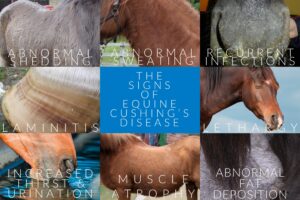
Being attentive to your horse’s behavior and physical condition is crucial in identifying potential health issues early. Learn to recognize signs of illness, such as changes in appetite, lethargy, coughing, or abnormal gait. Early detection and prompt veterinary intervention can make a significant difference in your horse’s recovery.
Monitor Vital Signs
Familiarize yourself with your horse’s normal vital signs, including temperature, pulse, and respiration rates. Regularly check these parameters, especially if you suspect an illness. This information is valuable when consulting with a veterinarian.
Emergency Preparedness
Having an emergency plan in place is essential for any horse owner. Accidents and sudden illnesses can happen, so being prepared can save valuable time and potentially your horse’s life.
First Aid Kit
Maintain a well-stocked equine first aid kit with essentials such as bandages, antiseptics, and a digital thermometer. Familiarize yourself with basic first aid procedures and have your veterinarian’s contact information readily available.
Emergency Contacts
Keep a list of emergency contacts, including your veterinarian, farrier, and a trusted friend or neighbor who can assist in case of an emergency. Ensure everyone involved in your horse’s care knows the emergency plan and procedures.
Conclusion
Ensuring your horse’s health requires a comprehensive approach that includes regular veterinary care, proper nutrition, exercise, environmental management, and emergency preparedness. By following these essential horse health tips, you can provide your equine companion with a healthy, happy, and fulfilling life. Remember, a healthy horse is a happy horse, and your vigilance and care make all the difference.
#ChatGPT assisted in the creation of this article.