The health and well-being of a horse largely depend on the condition of its hooves. As the saying goes, “No hoof, no horse,” emphasizing the critical role hoof care plays in equine health. Proper hoof care ensures that horses remain sound, comfortable, and able to perform their duties, whether for competition, work, or leisure. This article explores essential tips for maintaining optimal hoof health, covering everything from daily maintenance to recognizing common hoof issues.
Understanding the Anatomy of a Horse’s Hoof
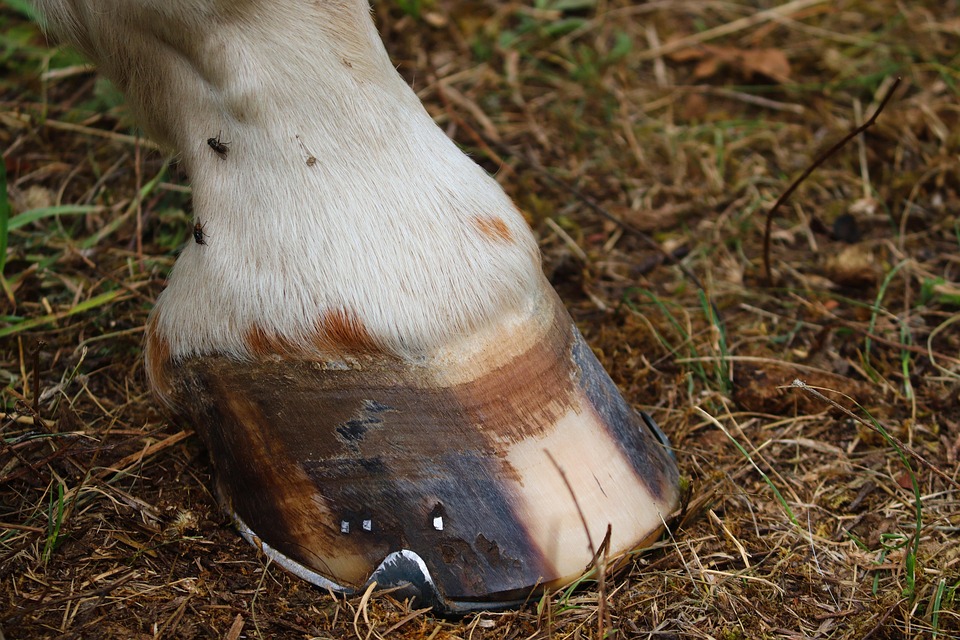
Before delving into hoof care practices, it is important to understand the anatomy of a horse’s hoof. A horse’s hoof consists of several key components:
- Wall: The hard, outer covering that bears most of the horse’s weight.
- Sole: The bottom part of the hoof that protects the inner structures.
- Frog: A V-shaped structure that acts as a shock absorber and provides traction.
- Bars: Extensions of the wall that help in weight distribution.
- White Line: The area where the wall meets the sole, crucial for structural integrity.
Understanding these components aids in recognizing abnormalities and implementing effective care strategies.
Daily Hoof Care Routine
Regular maintenance is the cornerstone of hoof health. A daily hoof care routine should include:
Picking Out the Hooves
Daily cleaning of the hooves is essential to remove dirt, stones, and debris that can lead to discomfort or infection. Use a hoof pick to gently clean around the frog and through the grooves, ensuring all foreign material is removed. This practice also allows you to inspect the hoof for any signs of injury or disease.
Inspection for Abnormalities
During the cleaning process, check for any abnormalities such as cracks, splits, bruises, or foul smells, which could indicate infection. Early detection of issues can prevent more serious problems from developing.
Moisture Balance
Maintaining the right moisture balance is crucial. Hooves that are too dry can become brittle and crack, while overly moist hooves can become soft and prone to damage. Adjusting the horse’s environment and using hoof conditioners as needed can help maintain this balance.
Regular Farrier Visits
Engaging the services of a skilled farrier is one of the most important aspects of hoof care. Regular visits from a farrier ensure proper trimming and, if necessary, shoeing, which are vital for maintaining hoof shape and health.
Trimming
Trimming helps maintain the correct hoof shape and prevents overgrowth, which can lead to structural issues. The frequency of trimming varies depending on the horse’s environment and workload, but typically every 4-8 weeks is recommended.
Shoeing
Not all horses require shoes, but for those that do, proper shoeing protects the hoof from excessive wear and provides additional support. Discuss with your farrier whether your horse would benefit from shoes and the appropriate type for their needs.
Nutrition and Hoof Health
A balanced diet is essential for overall horse health, including the condition of the hooves. Nutritional deficiencies can manifest as poor hoof quality, so it is important to ensure the horse’s diet includes key nutrients.
Key Nutrients for Hoof Health
- Biotin: A B vitamin that supports hoof growth and strength.
- Zinc: Essential for keratin production, contributing to hoof resilience.
- Copper: Plays a role in forming strong connective tissues.
- Amino Acids: Especially methionine and cysteine, which are critical for keratin synthesis.
Consult with a veterinarian or equine nutritionist to ensure your horse’s diet meets these nutritional needs.
Recognizing Common Hoof Issues
Understanding common hoof issues enables horse owners to take timely action to prevent or treat problems. Here are some frequent hoof-related conditions:
Thrush
Thrush is a bacterial infection that affects the frog area, often caused by poor hygiene or wet conditions. It is characterized by a foul odor and a black, crumbly appearance. Treatment involves cleaning the affected area and applying anti-thrush solutions.
Laminitis
Laminitis is a serious condition involving inflammation of the laminae, the tissues attaching the hoof wall to the coffin bone. Symptoms include lameness, heat in the hooves, and a reluctance to move. Immediate veterinary attention is required for suspected cases.
Hoof Abscesses
Abscesses occur when bacteria enter the hoof through a crack or puncture, leading to a build-up of pus. They can cause sudden lameness and are often accompanied by heat and swelling. Treatment involves drainage and keeping the area clean and dry.
Environmental Considerations
The horse’s living environment significantly impacts hoof health. Consider the following factors:
Stable Management
Stalls should be clean, dry, and regularly mucked out to prevent moisture build-up and bacterial growth. Good ventilation helps maintain a healthy environment.
Paddock Conditions
Fields and paddocks should have well-drained surfaces to prevent standing water and mud, which can lead to hoof problems. Rotating grazing areas and using gravel or sand in high-traffic areas can help maintain optimal conditions.
Conclusion
Maintaining optimal hoof health requires a combination of daily care, regular professional attention, a balanced diet, and a suitable environment. By following these essential tips, horse owners can ensure their horses’ hooves remain healthy, allowing them to thrive and perform at their best. Remember, when in doubt, consult with a veterinarian or farrier for expert advice tailored to your horse’s specific needs.
#ChatGPT assisted in the creation of this article.