Training a horse is a rewarding journey that requires patience, understanding, and consistency. Whether you’re a beginner or an experienced rider, mastering the basics of horse training is crucial for building a strong foundation of trust and communication with your equine partner. This article will provide essential tips and strategies to help you succeed in training your horse effectively.
Understanding Horse Behavior
Before diving into training techniques, it’s important to understand the natural behavior of horses. Horses are prey animals by nature, with instincts that prioritize their safety and survival. They are also social creatures, relying on herd dynamics to establish a sense of security and hierarchy. Understanding these behaviors will help you communicate more effectively and develop a positive training experience.
Body Language
Horses communicate primarily through body language. Observing their gestures, movements, and expressions can give you insights into their mood and readiness to learn. For example, pinned ears, swishing tails, or tense muscles can indicate discomfort or anxiety. Conversely, relaxed ears, a lowered head, and a soft eye suggest a calm and receptive horse. Paying attention to these cues allows you to adjust your training approach accordingly.
Establishing Trust
Trust is the cornerstone of any successful training relationship. Horses need to feel safe and secure in their environment and with their handler. Spend time building trust through gentle handling, consistent routines, and positive reinforcement. Approach your horse calmly and confidently, rewarding them for desired behaviors to reinforce trust and cooperation.
Basic Training Principles
Once you have a solid understanding of horse behavior, it’s time to implement basic training principles. These principles will guide you in developing a structured training program that is both effective and humane.
Consistency
Consistency is key in horse training. Horses thrive on routine and clear expectations. Establish a regular training schedule and stick to it as much as possible. Use consistent cues and commands to avoid confusion and reinforce learning. By maintaining consistency, you’ll create a sense of predictability that helps your horse feel secure and confident in their training.
Positive Reinforcement
Positive reinforcement is a powerful tool in horse training. Rewarding your horse for desired behaviors encourages them to repeat those actions. Use treats, verbal praise, or gentle pats as rewards when your horse responds correctly to a cue or command. This creates a positive association with training and enhances motivation.
Patience and Persistence
Training a horse takes time and patience. Progress may be slow at times, but persistence is crucial. Break down training tasks into smaller, manageable steps and celebrate small victories along the way. If your horse is struggling with a particular exercise, take a step back and reassess your approach. Remember, patience and persistence will ultimately lead to success.
Essential Training Techniques
With the basic principles in mind, you can now focus on specific training techniques to help your horse master essential skills. These techniques will lay the groundwork for more advanced training in the future.
Groundwork
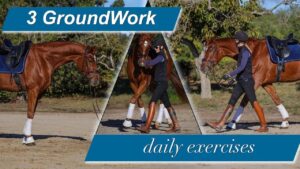
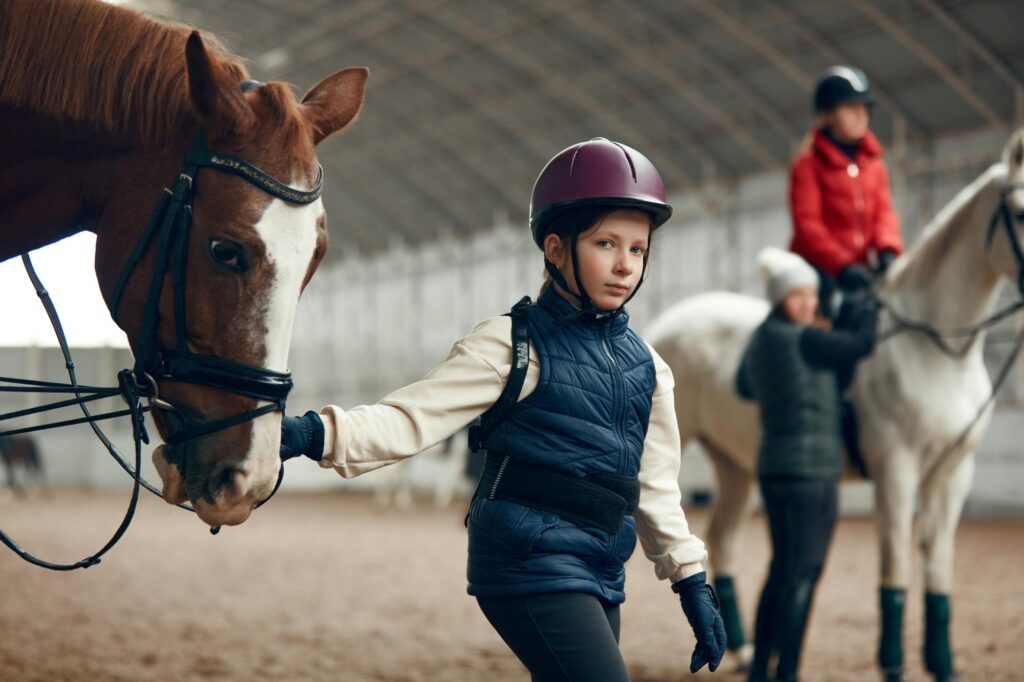
Groundwork is the foundation of all horse training. It involves working with your horse from the ground, teaching them basic commands and manners. Start with simple exercises such as leading, haltering, and grooming. Practice yielding to pressure, backing up, and moving forward on command. Groundwork establishes respect and communication, setting the stage for successful ridden training.
Lunging
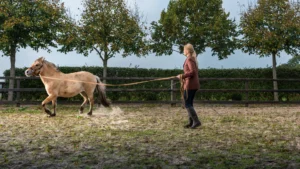
Lunging is an excellent exercise for developing your horse’s balance, fitness, and responsiveness. It involves working your horse in a controlled circle on a lunge line. This exercise helps your horse learn voice commands, improve their gaits, and build muscle tone. Ensure your horse understands basic cues before introducing lunging, and always prioritize safety by using proper equipment and maintaining a safe distance.
Desensitization
Desensitization is crucial for helping your horse become accustomed to various stimuli and environments. Introduce your horse to new objects, sounds, and situations gradually, allowing them to explore and investigate at their own pace. Use positive reinforcement to reward calm behavior, and avoid forcing your horse into situations they find overwhelming. Desensitization builds confidence and reduces anxiety, making your horse more adaptable and reliable.
Developing Communication Skills
Effective communication is the key to successful horse training. Developing clear and consistent communication skills will enhance your ability to convey your expectations and understand your horse’s responses.
Body Language and Cues
Use your body language and cues to communicate with your horse. Stand tall and confident, using clear and deliberate gestures to convey your intentions. Practice using voice commands alongside body cues for added clarity. Keep your cues simple and consistent, gradually increasing complexity as your horse becomes more adept at understanding them.
Timing and Release
Timing is crucial in horse training. Deliver cues at the right moment to reinforce desired behavior. Equally important is the release of pressure once your horse responds correctly. This release acts as a reward, signaling to your horse that they have done something right. Consistently timed cues and releases create a clear line of communication between you and your horse.
Addressing Challenges and Setbacks
Training a horse is not without its challenges. Understanding how to address setbacks and overcome obstacles is essential for maintaining progress and preventing frustration.
Identifying Root Causes
When faced with challenges, take the time to identify the root cause of the issue. Is your horse experiencing fear, confusion, or discomfort? By understanding the underlying cause, you can tailor your training approach to address the specific problem. Adjust your expectations and be willing to adapt your methods to accommodate your horse’s needs.
Seeking Professional Guidance
If you’re struggling with a particular training issue, don’t hesitate to seek professional guidance. An experienced trainer or equine behaviorist can offer valuable insights and techniques to help you overcome challenges. They can also provide an objective perspective and help you develop a customized training plan that aligns with your goals and your horse’s abilities.
Conclusion
Mastering basic horse training is a journey that requires dedication, patience, and a willingness to learn. By understanding horse behavior, implementing fundamental training principles, and developing effective communication skills, you can create a strong foundation for a successful partnership with your horse. Remember, every horse is unique, and progress may vary. Celebrate your achievements, embrace the learning process, and enjoy the rewarding bond that comes from training your equine companion.