Training a horse to be obedient is both an art and a science. It requires patience, consistency, and a deep understanding of equine behavior. Whether you are a novice rider or an experienced equestrian, mastering horse obedience is essential for ensuring safety, building a strong bond, and enhancing performance. This article explores top training techniques to help you achieve mastery in horse obedience.
The Importance of Understanding Equine Behavior
Before delving into specific training techniques, it is crucial to understand the basics of equine behavior. Horses are prey animals with strong instincts to flee from perceived threats. Their behavior is largely driven by fear, curiosity, and the need for social interaction. Knowing how horses think and respond to their environment will significantly enhance your training efforts.
Building a Foundation: Trust and Respect
The cornerstone of any successful horse training program is building trust and respect between you and your horse. This relationship forms the foundation upon which all subsequent training is built.
Developing Trust
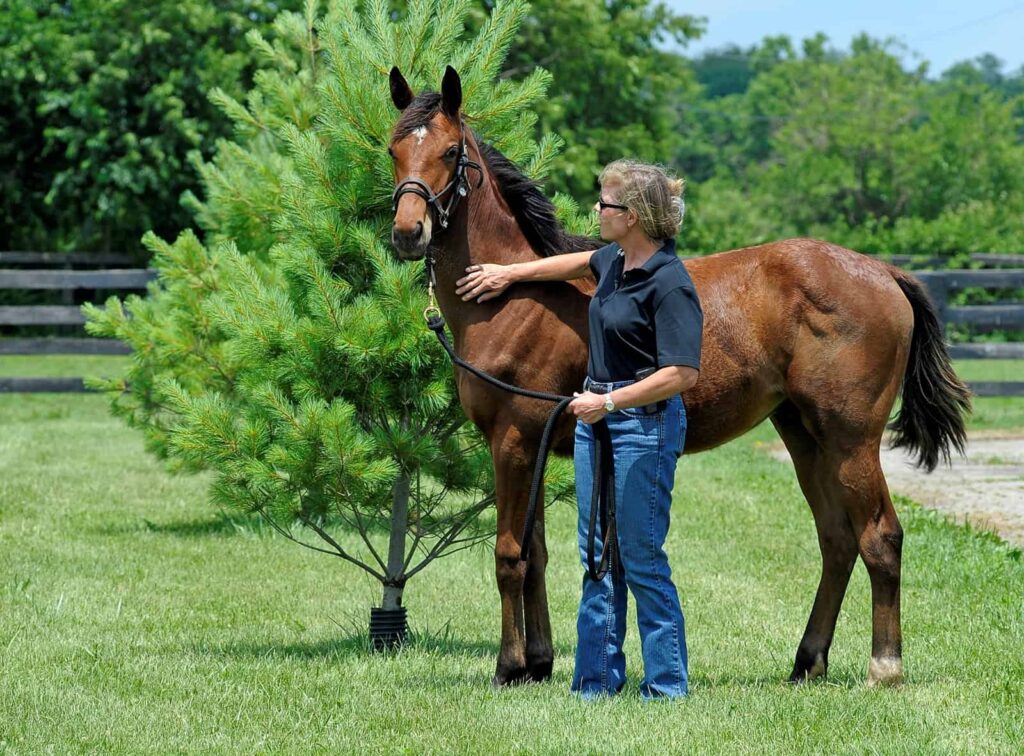
Trust is established through consistent, positive interactions. Spend time with your horse outside of training sessions. Grooming, feeding, and simply being present can help your horse relax and become more comfortable with you. Always handle your horse with care and predictability to avoid triggering its flight response.
Establishing Respect
While trust is essential, respect is equally important. Your horse must recognize you as the leader. Use body language to assert your leadership. Stand tall, maintain eye contact, and use a firm but gentle voice. Consistency in enforcing boundaries will help reinforce your position as the leader.
Groundwork: The Basis of Obedience
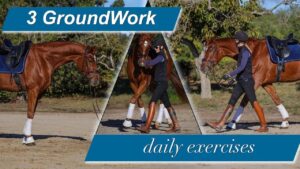
Groundwork is a fundamental aspect of horse training that involves working with your horse from the ground, rather than from the saddle. It establishes the basic skills needed for more advanced training and helps build a strong foundation of communication.
Lunging
Lunging is a popular technique used to teach horses obedience and responsiveness. By working your horse in a circle, you can monitor its movement, control its speed, and influence its behavior. Use a lunge line and whip to guide your horse, ensuring that it listens to your verbal commands and responds appropriately.
Leading
Leading exercises help your horse learn to follow your cues and move in harmony with you. Practice walking, trotting, and stopping with your horse by your side. Use gentle pressure on the halter to guide its movements and reward compliance with praise or treats.
Desensitization
Desensitization is a technique used to help horses become accustomed to various stimuli without reacting fearfully. Introduce your horse to different objects, sounds, and environments gradually. Start with low-intensity stimuli and gradually increase the challenge as your horse becomes more comfortable. This technique is crucial for helping horses remain calm and focused in diverse situations.
Ridden Work: Enhancing Communication and Control
Once your horse is comfortable with groundwork, you can transition to ridden work. This phase focuses on enhancing communication and control while in the saddle.
Basic Commands
Introduce basic commands such as “walk,” “trot,” “canter,” “stop,” and “back up.” Use a combination of voice cues, leg pressure, and rein signals to communicate with your horse. Consistency is key; ensure that you use the same cues each time to avoid confusion.
Transitions
Practicing transitions between gaits is an excellent way to improve obedience and responsiveness. Work on smooth transitions from walk to trot, trot to canter, and back down again. This exercise helps your horse become more attuned to your cues and enhances its ability to maintain balance and rhythm.
Circles and Patterns
Using circles and patterns in your training routine helps develop your horse’s flexibility, balance, and focus. Incorporate exercises such as serpentines, figure eights, and spirals into your sessions. These patterns encourage your horse to pay attention to your cues and respond promptly.
Advanced Techniques: Achieving Precision and Finesse
Once your horse has mastered the basics, you can move on to more advanced techniques to achieve precision and finesse in your training.
Lateral Movements
Lateral movements, such as leg yielding, shoulder-in, and haunches-in, are advanced techniques that require a high degree of communication and coordination. These exercises improve your horse’s suppleness and responsiveness to subtle cues. Start with simple lateral movements and gradually increase the difficulty as your horse becomes more proficient.
Collection and Extension
Teaching your horse to collect and extend its stride is essential for developing balance and control. Begin by asking for collection at the walk and trot, then progress to canter. Encourage your horse to lengthen its stride by using subtle leg and rein cues. Collection and extension exercises enhance your horse’s athleticism and responsiveness.
Obstacle Training
Obstacle training is an excellent way to challenge your horse’s problem-solving skills and build confidence. Set up a course with various obstacles, such as poles, cones, and tarps. Guide your horse through the course, encouraging it to think and respond to your cues. This type of training helps your horse become more adaptable and resilient.
Conclusion: The Journey to Mastering Horse Obedience
Mastering horse obedience is a rewarding journey that requires dedication, patience, and a deep understanding of equine behavior. By building a strong foundation of trust and respect, engaging in consistent groundwork, and advancing to ridden work and precision techniques, you can enhance your horse’s obedience and performance. Remember, each horse is unique, and training should be tailored to its individual needs and temperament. With time and effort, you and your horse can achieve a harmonious partnership built on trust, respect, and mutual understanding.
As you embark on this journey, keep in mind that the ultimate goal is not just obedience, but a deeper connection with your horse that allows for effective communication and mutual enjoyment. Happy training!
#ChatGPT assisted in the creation of this article.