Horse training is an art that requires patience, consistency, and a profound understanding of equine behavior. Mastering horse training is not just about teaching a horse to perform certain actions or tricks; it’s about building a relationship based on trust and communication. This article delves into the essential techniques and principles that can help you become an adept horse trainer, providing insights into effective methods that can be applied today.
Understanding Horse Behavior
Before diving into training techniques, it’s crucial to understand the natural behavior and instincts of horses. Horses are prey animals with highly developed fight-or-flight responses. They are social creatures that thrive in herds and have a well-defined social hierarchy. Understanding these behaviors can significantly impact how you approach training.
The Importance of Observation
Observation is key in understanding your horse’s behavior. Spend time watching your horse interact with others in the herd. Notice their body language, vocalizations, and reactions to various stimuli. This will give you insights into their temperament, preferences, and potential triggers for stress or anxiety.
Building a Strong Foundation
A solid foundation in horse training is essential for success. This involves establishing basic commands and ensuring the horse is comfortable with human interaction.
Desensitization
Desensitization is a technique used to help horses become accustomed to various stimuli. This involves exposing the horse to different objects, sounds, and environments in a controlled and gradual manner. The goal is to reduce fear responses and build confidence. Start with simple objects like plastic bags or tarps, and gradually progress to more complex stimuli like vehicles or machinery.
Groundwork Exercises
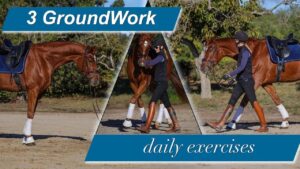
Groundwork is the foundation of all horse training. It establishes respect and communication between the trainer and the horse. Key exercises include leading, lunging, and backing up. These activities teach the horse to respond to verbal cues and body language, fostering a mutual understanding and respect.
Effective Training Techniques
Once a strong foundation is established, more advanced training techniques can be introduced. These techniques focus on enhancing the horse’s skills and responsiveness.
Positive Reinforcement
Positive reinforcement involves rewarding desired behaviors to encourage their repetition. This can include treats, praise, or a gentle pat. The key is to ensure the reward is given immediately after the desired behavior to reinforce the connection. Positive reinforcement helps build a strong bond and encourages the horse to engage willingly in training sessions.
Clicker Training
Clicker training is a form of positive reinforcement that uses a clicker device to mark desired behaviors. The click sound is immediately followed by a reward, creating a clear association between the behavior and the reward. This method is highly effective in teaching complex behaviors and tricks, as it provides precise feedback to the horse.
Pressure and Release
Pressure and release is a traditional method based on applying and releasing pressure to encourage desired behaviors. The trainer applies pressure through reins, legs, or body language and releases it once the horse responds correctly. This technique teaches the horse to find comfort in responding to cues, promoting responsiveness and obedience.
Common Challenges and Solutions
Horse training can present various challenges, but understanding and addressing these issues is key to successful training.
Dealing with Resistance
Resistance is a common issue in horse training. It can stem from fear, confusion, or discomfort. To address resistance, assess the situation to identify the underlying cause. Ensure your horse is not in pain and that the training environment is safe and stress-free. Adjust your approach and remain patient, offering reassurance and clear communication.
Managing Anxiety and Stress
Horses can experience anxiety or stress in unfamiliar situations. To manage this, gradually introduce new environments or stimuli, allowing the horse time to adjust. Provide consistent routines and positive experiences to build confidence. If necessary, consult a veterinarian or equine behaviorist for additional support.
The Role of Consistency and Patience
Consistency and patience are the cornerstones of effective horse training. Training sessions should be regular and maintained with a calm demeanor. Horses, like humans, have varying learning paces, and rushing the process can lead to setbacks. Celebrate small victories and remain patient, as building a trusting relationship takes time.
Advanced Training Techniques
For those who have mastered basic training, advanced techniques can further hone a horse’s skills and capabilities.
Liberty Training
Liberty training involves working with a horse without ropes or halters. It emphasizes trust, communication, and mutual respect. This technique challenges the trainer’s ability to engage with the horse using body language and voice commands alone. Successful liberty training can lead to a deeper bond and a more willing partner.
Dressage
Dressage is an advanced form of training that focuses on precision and fluidity of movement. It involves teaching the horse to perform intricate maneuvers with grace and poise. Dressage enhances the horse’s balance, coordination, and responsiveness, and is often pursued by those interested in competitive equestrian sports.
Conclusion
Mastering horse training is a journey that requires dedication, empathy, and a commitment to understanding equine behavior. By employing effective techniques such as positive reinforcement, desensitization, and groundwork, trainers can build meaningful relationships with their horses. Overcoming challenges with patience and consistency will lead to a rewarding partnership, unlocking the full potential of both horse and trainer. Whether you’re a beginner or an experienced trainer, these techniques offer valuable insights into the art of horse training, allowing you to unlock effective methods today and achieve mastery in the field.