Training a young horse is a rewarding yet challenging endeavor that requires patience, understanding, and an arsenal of effective techniques. Whether you are raising a future competition horse or a reliable companion, the foundational years of training are crucial. This article unveils essential techniques for mastering young horse training, ensuring a harmonious relationship between horse and handler.
Understanding the Young Horse’s Mind
Before delving into specific training methods, it’s important to understand the psychology of a young horse. Horses are prey animals, naturally inclined to flee from perceived threats. They rely heavily on body language and are acutely aware of their surroundings. Young horses, like children, are curious and eager to learn but also require consistent boundaries.
Understanding this mindset is key to developing a training approach that is both effective and empathetic. Building trust through positive reinforcement and patient guidance lays the foundation for a lifelong partnership.
Establishing Trust and Respect
The initial stages of training should focus on establishing trust and respect. This is achieved through consistent, gentle handling and creating positive associations with human interaction. Spend time grooming your horse and engaging in activities that do not demand too much, allowing the horse to feel comfortable and safe.
Respect comes from setting clear boundaries. Ensure that your horse understands personal space and learns to follow basic commands. Consistency is vital—if a behavior is unacceptable today, it must be unacceptable tomorrow. Clear communication and consistency help the young horse understand expectations, reducing confusion and frustration.
Introducing Groundwork
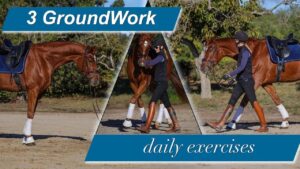
Groundwork forms the cornerstone of any successful training program. It builds a horse’s confidence and respect while improving their responsiveness to commands. Begin with leading exercises, teaching your horse to walk beside you, stop, and turn on cue. Use a halter and lead rope, and apply gentle pressure to guide the horse.
As your horse becomes adept at leading, introduce more complex exercises such as lunging. Lunging teaches the horse to respond to voice commands and body language, enhancing their focus and obedience. Use a lunge line and whip as extensions of your arms, and start with simple walk-trot transitions. Gradually increase the complexity by introducing changes of direction and pace.
Desensitization and Exposure
Desensitization is crucial for young horses to build confidence and reduce fear responses. Introduce your horse to a variety of stimuli, including different sounds, objects, and environments. Start with less intimidating objects, such as plastic bags or umbrellas, and gradually progress to more challenging stimuli, like vehicles or water.
During desensitization, maintain a calm and reassuring demeanor. Your horse will look to you for cues on how to react. Praise and reward calm behavior, reinforcing the idea that new experiences are not to be feared.
Saddle Training
Once groundwork is well-established, introduce your horse to saddle training. Begin by familiarizing your horse with the tack—let them sniff and explore the saddle and bridle. Place the saddle gently on the horse’s back without fastening it, allowing them to adjust to the sensation.
Gradually progress to fastening the girth and introducing the bridle. Take this process slowly, rewarding your horse for calm and accepting behavior. Once your horse is comfortable with the tack, begin mounting exercises. Start by leaning over the horse’s back and eventually mount fully, ensuring the horse remains relaxed throughout.
Riding Basics
With the saddle training complete, it’s time to introduce basic riding skills. Begin in a controlled environment, such as a round pen or arena, to minimize distractions. Focus on simple commands like walk, halt, and turning.
Keep initial riding sessions short and positive. Use voice commands and gentle pressure from your legs and reins to communicate with your horse. Be patient and allow your horse time to understand each request. Gradually increase the complexity of exercises as your horse gains confidence and responsiveness.
Building Advanced Skills
As your young horse becomes more proficient in basic riding, start introducing more advanced skills. These may include transitions between gaits, lateral movements, and basic jumping exercises. Continue to emphasize clear communication and positive reinforcement, rewarding your horse for effort and progress.
At this stage, it may be beneficial to seek guidance from a professional trainer. They can provide valuable insights and help refine your horse’s skills, ensuring a well-rounded education.
Common Challenges and Solutions
Training a young horse is not without its challenges. Some common issues include resistance to commands, fear responses, and lack of focus. Address resistance by reviewing your training approach—ensure you are clear, consistent, and fair in your requests.
If your horse displays fear responses, revisit desensitization exercises to build confidence. Lack of focus can often be mitigated by varying training routines and incorporating engaging activities that challenge the horse’s mind.
Conclusion
Mastering the training of a young horse is a journey that requires dedication, patience, and compassion. By understanding the young horse’s mindset and employing essential techniques such as groundwork, desensitization, and gradual skill-building, you can develop a strong, trusting relationship with your equine partner.
Remember, the key to successful training lies in clear communication, consistency, and positive reinforcement. With these principles at the forefront of your training program, you’ll not only cultivate a well-trained horse but also enjoy a rewarding and fulfilling journey together.