Stable management is a critical aspect of equine care that ensures the health, safety, and well-being of horses. Whether you are a professional stable manager, a horse owner, or an enthusiast, mastering stable management is essential for the success and longevity of your horses. This article will provide essential tips and insights into effective stable management, from daily routines to advanced care strategies.
Daily Care and Routine
A well-structured daily routine is the cornerstone of effective stable management. Consistency in feeding, cleaning, and monitoring is crucial for maintaining a healthy environment for your horses.
Feeding and Nutrition
Proper nutrition is vital for the health and performance of horses. A balanced diet tailored to the needs of each horse is essential. Consider the following:
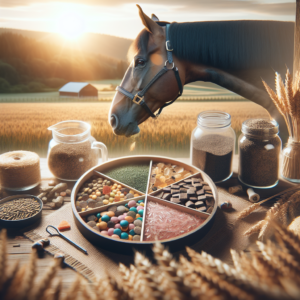
– **Quality Hay and Forage**: Ensure that your horses have access to high-quality hay and forage. The majority of a horse’s diet should consist of roughage, which is essential for their digestive health.
– **Balanced Grain and Supplements**: Depending on the horse’s activity level, age, and health status, additional grains and supplements may be necessary. Consult with a veterinarian or equine nutritionist to create a balanced diet plan.
– **Regular Feeding Schedule**: Maintain a consistent feeding schedule to help regulate the horse’s digestive system and prevent colic, a common equine health issue.
Stable Cleaning and Sanitation
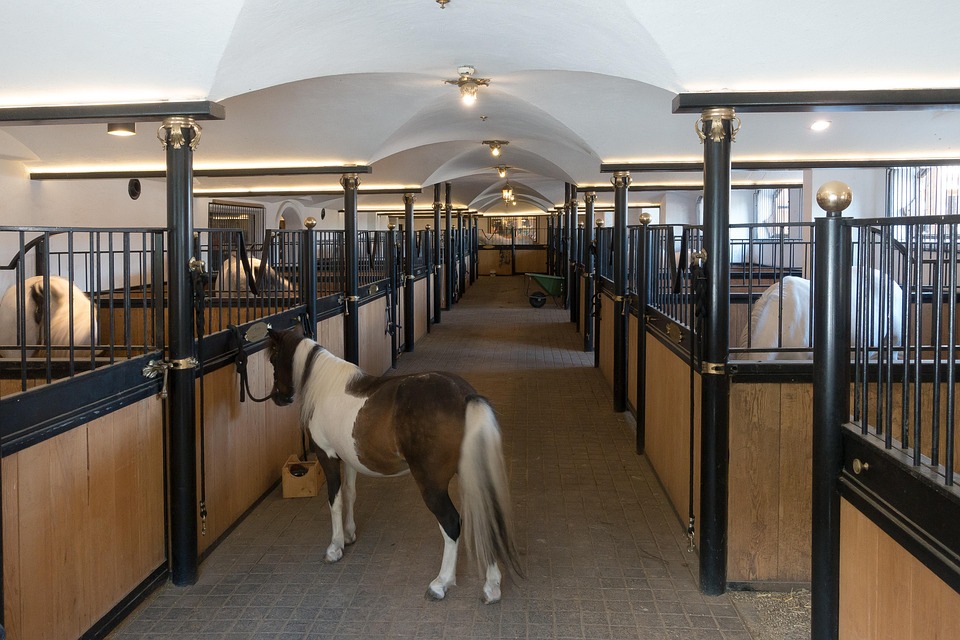
A clean stable is imperative for the health and comfort of your horses. Implement a rigorous cleaning schedule that includes:
– **Daily Mucking**: Remove manure and soiled bedding daily to prevent ammonia build-up and reduce the risk of respiratory problems.
– **Weekly Deep Cleaning**: Perform a thorough cleaning of all stalls at least once a week, including disinfecting surfaces and replacing bedding.
– **Proper Ventilation**: Ensure adequate airflow in the stable to reduce dust and moisture levels, which can exacerbate respiratory issues.
Health Monitoring and Veterinary Care
Proactive health monitoring and timely veterinary care are vital components of stable management. Keeping a close eye on your horses’ health ensures early detection of potential issues.
Routine Health Checks
Incorporate regular health assessments into your stable management routine:
– **Body Condition Scoring**: Regularly assess your horses’ body condition to ensure they are at a healthy weight. Adjust feeding and exercise routines as needed.
– **Hoof Care**: Schedule regular farrier visits to maintain proper hoof health. Healthy hooves are essential for overall soundness and performance.
– **Dental Care**: Annual dental check-ups are crucial for maintaining oral health and proper digestion.
Vaccination and Deworming
Preventative care is essential to protect your horses from diseases and parasites:
– **Vaccination Schedule**: Work with your veterinarian to establish a vaccination schedule tailored to your horses’ needs and local disease risks.
– **Deworming Program**: Implement a strategic deworming program based on fecal egg count tests to effectively manage parasite loads without contributing to resistance.
Safety and Equipment
Safety in and around the stable is paramount to prevent accidents and injuries for both horses and handlers. Proper equipment maintenance and safety protocols are key.
Stable Safety Protocols
Establish and enforce safety guidelines for everyone working in the stable:
– **Emergency Preparedness**: Have a clear emergency plan in place, including contact information for veterinarians and emergency services.
– **Fire Prevention**: Install smoke detectors and fire extinguishers in the stable, and ensure that all electrical installations are safe and up to code.
– **Safe Handling Practices**: Educate all staff and handlers on safe horse handling techniques to minimize the risk of injuries.
Equipment Maintenance
Regular maintenance of stable equipment is essential for safety and efficiency:
– **Tack and Gear**: Inspect and clean tack regularly to ensure it is in good working condition. Replace any worn or damaged items promptly.
– **Stable Tools and Infrastructure**: Regularly check and maintain stable tools and infrastructure, such as gates, fences, and waterers, to ensure they are safe and functional.
Training and Enrichment
Incorporating training and enrichment activities into your stable management routine enhances the well-being and performance of your horses.
Training Programs
Developing a structured training program tailored to each horse’s abilities and goals is essential:
– **Consistent Training Schedule**: Establish a consistent training schedule that balances work with rest and recovery periods.
– **Positive Reinforcement**: Utilize positive reinforcement techniques to encourage desired behaviors and build trust between horse and handler.
– **Goal Setting**: Set achievable training goals and regularly assess progress to adapt the program as necessary.
Enrichment Activities
Enrichment activities provide mental stimulation and prevent boredom:
– **Turnout and Socialization**: Ensure regular turnout time for horses to socialize and engage in natural behaviors.
– **Toys and Obstacles**: Introduce toys and obstacles in the stable or paddock to challenge horses and keep them mentally engaged.
Conclusion
Mastering stable management requires dedication, consistency, and a comprehensive understanding of equine care. By implementing effective daily routines, prioritizing health monitoring, ensuring safety, and incorporating training and enrichment activities, you can create a thriving environment for your horses. Remember, the key to successful stable management is a proactive approach that prioritizes the well-being of your equine companions.