The performance of a horse, whether in racing, dressage, show jumping, or other equestrian sports, is heavily influenced by its diet. Optimizing a horse’s diet is crucial to ensure peak performance, longevity, and overall health. This article will delve into the fundamental aspects of nutrition that are essential to maintaining and improving the performance of equine athletes.
Understanding Equine Nutritional Needs
Horses are herbivores with a digestive system uniquely adapted to a high-fiber diet. Their nutritional needs can be broken down into several key components: carbohydrates, proteins, fats, vitamins, minerals, and water. Each of these plays a vital role in a horse’s health and performance.
Carbohydrates: The Energy Source
Carbohydrates are the primary energy source for horses. They are divided into non-structural carbohydrates (NSC) like sugars and starches, and structural carbohydrates, such as fibers found in hay and pasture. Performance horses require a balanced intake of NSCs to fuel short bursts of energy and fibers to support digestive health and sustained energy release.
Proteins: Building and Repairing Muscles
Proteins are essential for muscle development and repair. Amino acids, the building blocks of proteins, are crucial for the synthesis of new tissues, enzymes, and hormones. Ensuring that a performance horse receives adequate protein from quality sources can enhance muscle development and recovery, contributing to overall performance.
Fats: Concentrated Energy and Endurance
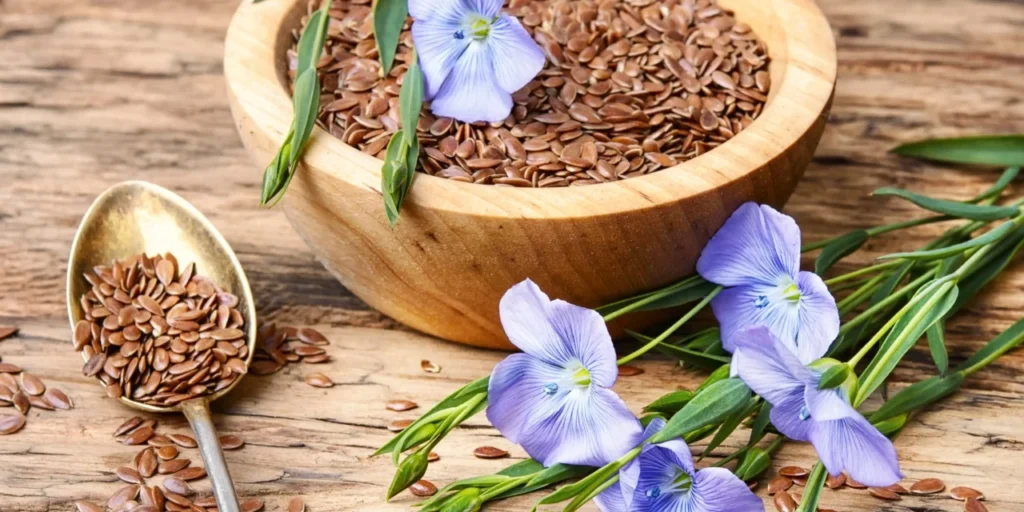
Fats provide a concentrated energy source and can enhance endurance by allowing horses to perform at a higher intensity for longer periods. Incorporating healthy fats, such as rice bran or flaxseed oil, can also improve coat condition and overall vitality.
Vitamins and Minerals: Supporting Vital Functions
Vitamins and minerals are necessary for numerous physiological functions, including bone development, immune function, and energy metabolism. Key minerals like calcium, phosphorus, and magnesium, along with vitamins such as A, D, and E, should be adequately supplied through diet or supplementation to prevent deficiencies and support peak performance.
Water: The Essential Nutrient
Water is often overlooked but is critical for maintaining hydration, regulating body temperature, and facilitating digestion. Performance horses, especially those in intense training, require constant access to clean, fresh water to prevent dehydration and maintain optimal function.
Crafting the Optimal Diet Plan
Developing a diet plan for a performance horse requires a comprehensive understanding of its workload, metabolism, and individual needs. The following steps outline a strategy for creating an effective dietary regimen.
Assessing Workload and Energy Requirements
The first step in optimizing a horse’s diet is to assess its workload. Horses engaged in intense training or competition will require more energy, primarily from carbohydrates and fats, compared to those in light work. Balancing energy intake with expenditure is crucial to prevent weight gain or loss, which can affect performance.
Choosing Quality Forage
High-quality forage should be the foundation of any equine diet. Horses evolved to graze, and providing access to quality hay or pasture ensures they receive the necessary fiber for digestive health. Forage analysis can help determine the nutritional content and guide supplementation needs.
Incorporating Concentrates Wisely
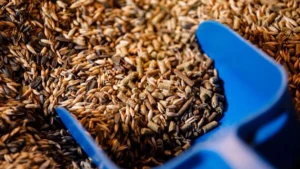
Concentrates, such as grains and pelleted feeds, can be used to supplement the diet when forage alone does not meet energy requirements. It is crucial to choose concentrates formulated for performance horses, ensuring they provide balanced nutrition without excessive NSCs that can lead to metabolic issues.
Supplementing for Specific Needs
Depending on the individual horse’s needs, supplementation may be necessary to address specific deficiencies or support particular health aspects. Common supplements include electrolytes for hydration, joint supplements for mobility, and probiotics for digestive health. Consulting with a veterinarian or equine nutritionist can help tailor supplementation to the horse’s unique requirements.
Monitoring and Adjusting the Diet
Regular monitoring and adjustments are essential to ensure the diet remains aligned with the horse’s changing needs. Factors such as seasonal changes, workload variations, and health status can all influence dietary requirements.
Regular Body Condition Scoring
Body condition scoring (BCS) is a valuable tool for assessing a horse’s weight and overall condition. Regular BCS evaluations can help identify if the horse is receiving adequate nutrition and guide necessary dietary adjustments.
Routine Health Checks
Routine veterinary check-ups are crucial for identifying potential health issues that could impact dietary needs. Issues such as dental problems or metabolic disorders can affect a horse’s ability to process certain nutrients, necessitating dietary changes.
Performance Monitoring
Monitoring the horse’s performance in training and competition can provide insights into the effectiveness of its diet. Changes in energy levels, stamina, or recovery times may signal the need for dietary adjustments to support optimal performance.
Conclusion
Optimizing the diet of a performance horse is a dynamic and ongoing process. By understanding the fundamental nutritional needs, crafting a tailored diet plan, and continuously monitoring and adjusting based on the horse’s performance and health, owners and trainers can ensure their equine athletes reach their peak potential. Investing time and resources into proper nutrition is an investment in the horse’s success and well-being.