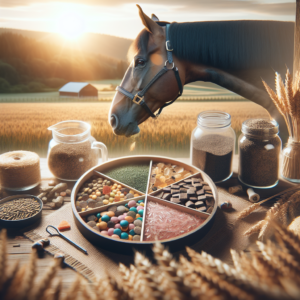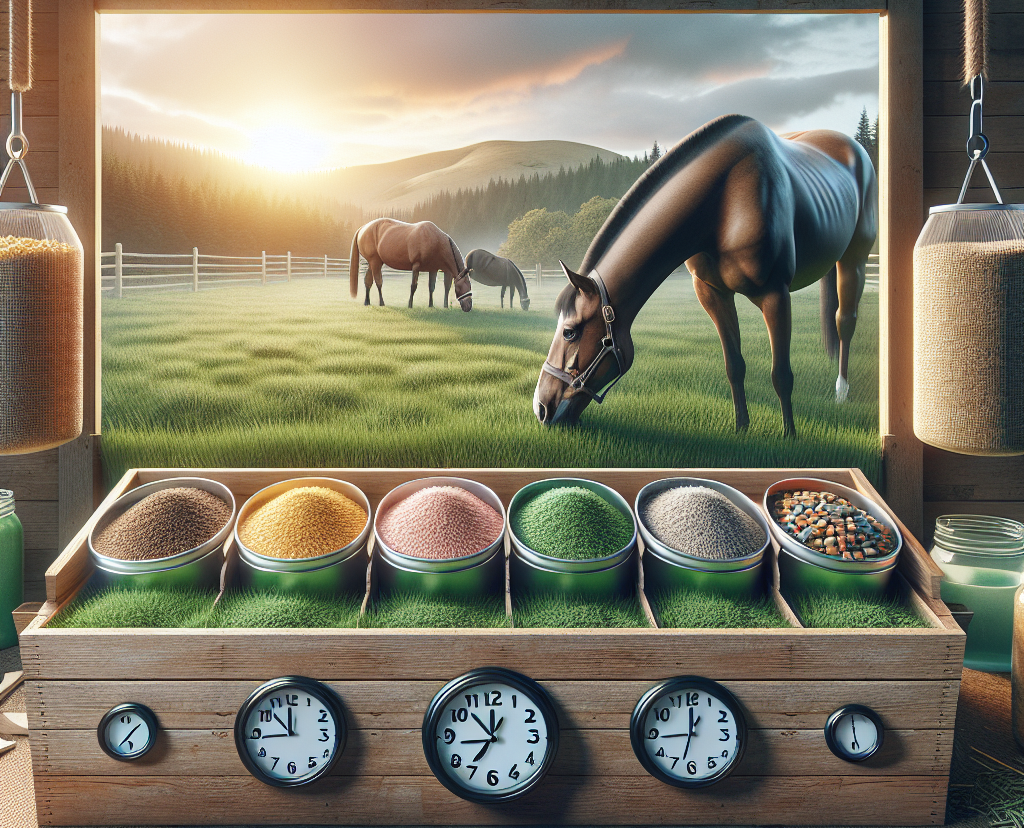
When it comes to ensuring the optimal health of your horse, nutrition plays a pivotal role. Crafting a well-balanced feeding schedule tailored to your horse’s specific needs can significantly enhance their overall well-being, performance, and longevity. In this article, we will delve into the intricacies of establishing the perfect feeding schedule to optimize your horse’s health.
Understanding Your Horse’s Nutritional Needs
Before designing a feeding schedule, it’s essential to understand the fundamental nutritional requirements of horses. Horses are herbivores, primarily relying on a diet rich in forages such as hay and grass. Their digestive systems are designed for continuous grazing, which is why access to quality forage is crucial.
Key nutrients for horses include:
– **Fiber:** Essential for proper digestive function, fiber should be the cornerstone of a horse’s diet. It is primarily obtained from hay and pasture.
– **Proteins:** Necessary for growth, maintenance, and repair of tissues. Quality sources include alfalfa, soybeans, and legumes.
– **Carbohydrates:** Provide energy, with grains like oats and barley being common sources.
– **Fats:** Offer a concentrated energy source and are beneficial for skin and coat health. Vegetable oils and rice bran are excellent options.
– **Vitamins and Minerals:** Vital for various bodily functions, these should be supplemented if not sufficiently available in forage.
Assessing Your Horse’s Specific Needs
Every horse is unique, and their feeding schedule should reflect individual factors such as:
– **Age:** Young, growing horses have higher energy and protein needs compared to mature horses.
– **Activity Level:** Horses in heavy training or competition require more energy and nutrients than those with a sedentary lifestyle.
– **Health Status:** Horses with specific health conditions may need tailored diets to manage issues like laminitis or metabolic disorders.
– **Breed and Size:** Different breeds have varying metabolic rates and nutritional needs. Larger breeds generally require more food than smaller ones.
Creating a Balanced Feeding Schedule
A balanced feeding schedule should consider both the type and timing of feedings. Here’s a step-by-step guide to crafting an effective plan:
1. Start with Forage
Forage should form the bulk of your horse’s diet, providing at least 1-2% of their body weight in hay or pasture per day. For a 1,000-pound horse, this translates to 10-20 pounds of forage daily. Ensure the forage is of high quality, free from mold, dust, and contaminants.
2. Supplement with Concentrates
Concentrates, such as grains and commercial feeds, are necessary to meet additional energy and nutrient needs, especially for performance horses. When introducing concentrates:
– Introduce gradually to avoid digestive upset.
– Divide into multiple small meals to prevent colic and maintain stable blood sugar levels.
– Adjust quantities based on body condition and workload.
3. Ensure Access to Fresh Water
Hydration is crucial for digestion and overall health. Ensure your horse has constant access to clean, fresh water. Monitor water intake, especially in extreme weather conditions, to prevent dehydration.
4. Consider Supplements
While a balanced diet should meet most nutritional needs, supplements may be necessary for specific conditions or deficiencies. Common supplements include:
– **Electrolytes:** Important for horses in heavy work or hot climates.
– **Joint Supplements:** Beneficial for older horses or those in intense training.
– **Vitamin and Mineral Mixes:** Useful if forage quality is poor or if specific imbalances are present.
Timing Your Horse’s Meals
The timing of meals is as important as the content. Horses are naturally grazing animals, so providing regular access to food mimics their natural eating habits and supports digestive health.
1. Small, Frequent Meals
Offering small, frequent meals throughout the day promotes efficient digestion and helps maintain stable energy levels. Aim for at least three meals per day, more if possible, to mimic natural grazing patterns.
2. Consistent Feeding Times
Horses thrive on routine. Establish consistent feeding times to help regulate their digestive system and reduce stress. Sudden changes in feeding schedules can lead to digestive disturbances.
Monitoring and Adjusting the Feeding Schedule
Regularly monitor your horse’s body condition, weight, and performance to assess the effectiveness of the feeding schedule. Adjustments may be necessary based on:
– **Seasonal Changes:** Nutritional needs may vary with changes in workload and weather.
– **Health and Age:** As horses age or experience health changes, their dietary needs may shift.
– **Performance Goals:** Adjust feed quantities and types based on training intensity and competition schedules.
Common Feeding Mistakes to Avoid
To optimize your horse’s health, be mindful of common feeding pitfalls:
– **Overfeeding Concentrates:** This can lead to obesity and digestive disorders. Balance concentrate intake with workload and body condition.
– **Inconsistent Feeding Practices:** Irregular feeding can cause stress and digestive issues. Maintain a consistent schedule.
– **Poor Quality Forage:** Low-quality hay can lead to nutrient deficiencies and health problems. Always provide the best forage available.
– **Neglecting Hydration:** Dehydration can quickly lead to serious health issues. Ensure your horse always has access to water.
Conclusion
Optimizing your horse’s health through a perfect feeding schedule requires a thorough understanding of their nutritional needs, a thoughtful approach to meal timing, and regular monitoring and adjustments. By prioritizing quality forage, supplementing wisely, and maintaining consistency, you can ensure your horse thrives both physically and mentally. Remember, each horse is unique, and their feeding schedule should be tailored to meet their individual requirements, promoting a long, healthy, and happy life.