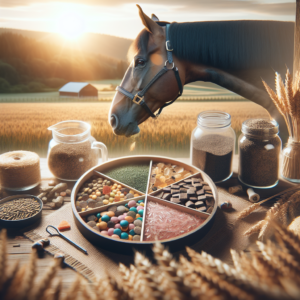
Ensuring that your horse maintains optimal health is a top priority for any responsible horse owner. One of the most crucial factors influencing a horse’s well-being is its diet. Just like humans, horses require a balanced diet to perform at their best, whether they are leisurely companions or active athletes. A balanced diet not only enhances performance but also improves overall health, longevity, and quality of life. This article will explore the essential components of a horse’s diet and provide practical tips for optimizing your horse’s health through nutrition.
Understanding the Basics of Equine Nutrition
The Importance of Forage
Forage, such as hay and pasture, is the cornerstone of a horse’s diet. Horses are natural grazers, designed to consume small amounts of forage throughout the day. Forage provides the necessary fiber to maintain a healthy digestive system and prevent issues such as colic and gastric ulcers. Ideally, horses should have continuous access to good-quality pasture or hay, making up at least 1.5% to 2% of their body weight daily.
Concentrates and Grains
While forage is the foundation, some horses may require additional energy sources, especially if they are in heavy work or have difficulty maintaining weight. Concentrates and grains can provide the necessary calories and nutrients. However, it’s important to introduce these gradually and in moderation to prevent digestive disturbances. Always choose high-quality, commercially prepared feeds that meet your horse’s specific needs.
Vitamins and Minerals
Horses require a variety of vitamins and minerals to support bodily functions and overall health. While many of these nutrients are present in forage, supplementation might be necessary to fill any gaps. Pay special attention to minerals like calcium, phosphorus, and magnesium, as well as vitamins A, D, and E. A mineral block or a balanced ration balancer can help provide these essential nutrients.
Special Dietary Considerations
Age and Life Stage
The nutritional needs of a horse can vary significantly depending on its age and life stage. Foals and young horses require diets rich in protein and energy to support growth. Mature horses, particularly those in light work, might thrive on a simpler diet. Senior horses may need a diet that’s easier to chew and digest, with added support for joint and digestive health.
Workload and Performance
A horse’s energy requirements will increase with the intensity and duration of work. Performance horses often need additional calories and nutrients to fuel their activities and aid in recovery. High-fat feeds and supplemental electrolytes can be beneficial for horses in strenuous work.
Health Conditions
Horses with specific health conditions, such as metabolic issues or allergies, may require specialized diets. For instance, horses prone to laminitis might benefit from low-starch and low-sugar diets. Always consult with a veterinarian or equine nutritionist to tailor a diet plan that accommodates any health concerns.
Practical Tips for Optimizing Your Horse’s Diet
Regularly Assess Body Condition
Monitoring your horse’s body condition score (BCS) is crucial to ensure it remains within a healthy range. A BCS of 4 to 6 on a 9-point scale is generally considered optimal. Adjust your horse’s diet as needed based on changes in body condition, workload, and health status.
Provide Fresh Water
Access to clean, fresh water is essential for all horses. Dehydration can lead to serious health issues, including colic. Ensure your horse has unlimited access to water, and check water sources regularly to ensure cleanliness and palatability.
Introduce Dietary Changes Gradually
Any changes to your horse’s diet should be made slowly over the course of 7 to 10 days. Gradually introduce new feeds while phasing out the old ones to allow your horse’s digestive system to adjust and to prevent colic or other digestive upsets.
Regular Dental Care
Good dental health is essential for effective chewing and digestion. Regular dental check-ups can prevent problems such as uneven wear, which can interfere with a horse’s ability to properly process food. Ensure that your horse’s teeth are examined by an equine dentist or veterinarian at least once a year.
Consult with Professionals
Working with a veterinarian or equine nutritionist can help tailor a diet plan specific to your horse’s individual needs. They can provide valuable insights and recommendations based on the latest research and your horse’s unique circumstances.
Conclusion
Feeding your horse a balanced diet is a vital aspect of equine care that directly impacts its health and performance. By understanding the nutritional needs of your horse and implementing practical feeding strategies, you can optimize your horse’s diet to ensure it thrives. Remember, each horse is unique, and dietary needs can vary greatly. Regularly assess your horse’s condition, consult with professionals, and make adjustments as necessary to provide the best nutrition possible. With careful attention and a well-planned diet, you can help your horse achieve optimal health and longevity.