Ensuring optimal health and performance in horses involves an intricate balance of diet, exercise, and management. Among these, nutrition plays a pivotal role, with grain feeding being a crucial element of the diet for many horses. Grains can provide essential nutrients and energy required for growth, maintenance, and performance. However, improper grain feeding can lead to a variety of health issues. This article explores the importance of balanced grain feeding in optimizing horse health and provides guidance on how to achieve it effectively.
The Role of Grains in Equine Nutrition
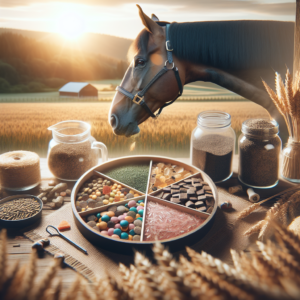
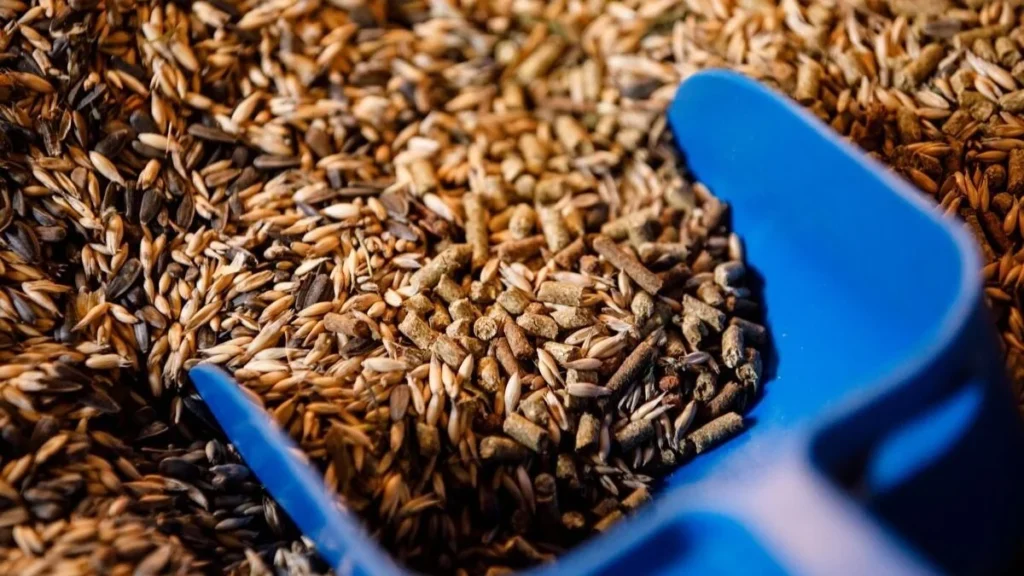
Grains are a significant source of carbohydrates, primarily starch, which provides the energy necessary for horses to perform their daily activities. Grains also supply proteins, fats, vitamins, and minerals, all contributing to a balanced diet. Common grains used in horse diets include oats, corn, barley, and wheat. Each of these grains has unique nutritional profiles that can benefit horses when fed appropriately.
Oats
Oats are one of the most commonly fed grains to horses due to their high fiber content and easier digestibility compared to other grains. They provide a moderate energy source and are less likely to cause digestive disturbances when fed in reasonable amounts.
Corn
Corn is highly energy-dense, offering twice the energy content of oats. It is particularly beneficial for horses requiring high energy, such as performance horses. However, corn should be processed (cracked or rolled) to enhance digestibility and should be fed cautiously to prevent overfeeding and potential laminitis.
Barley
Barley provides more energy than oats but less than corn. It is a versatile grain that can be used for various types of horses and is often rolled or crimped to improve digestibility.
Wheat
Wheat is rarely fed as a sole grain due to its high gluten content, which can cause digestive issues. Instead, it is typically used in processed forms like wheat bran or wheat middlings, which can be included in balanced feed formulations.
Balancing Grain Feeding
While grains are valuable sources of energy and nutrients, balancing their intake is essential to avoid health problems such as obesity, colic, and laminitis. Here are key considerations for achieving a balanced grain feeding regimen:
Assessing Energy Needs
Understanding a horse’s energy requirements is crucial for determining the appropriate amount of grain to feed. Factors influencing these needs include age, workload, metabolic rate, and climate. Underfeeding can lead to weight loss and poor performance, while overfeeding can result in obesity and associated health issues.
Incorporating Forage
Forage should form the foundation of a horse’s diet, providing necessary fiber for healthy digestion. Grains should complement forage, not replace it. Horses should consume a minimum of 1% to 1.5% of their body weight in forage daily to maintain gastrointestinal health and prevent issues like colic and gastric ulcers.
Monitoring Body Condition
Regularly assessing a horse’s body condition score (BCS) helps in adjusting grain feeding to maintain an optimal weight. A BCS between 4 and 6 on a 9-point scale is generally considered healthy for most horses. Adjustments to grain intake should be made based on changes in body condition and workload.
Meal Size and Frequency
Feeding smaller, more frequent meals can improve digestibility and reduce the risk of digestive disturbances. Horses have small stomachs and are designed to graze continuously, so large grain meals can overwhelm their digestive system, leading to colic or other issues.
Special Considerations
Certain horses require special attention when it comes to grain feeding due to specific health conditions or life stages. Here are some considerations for these cases:
Senior Horses
As horses age, their digestive efficiency decreases, often requiring adjustments in their diet. Senior horses may benefit from grains with higher fiber content or commercial senior feeds designed to be more digestible.
Horses with Metabolic Disorders
Horses with metabolic disorders such as Equine Metabolic Syndrome (EMS) or Cushing’s Disease require low-starch, low-sugar diets. In these cases, grain intake should be minimized, and alternative sources of energy, like fats and highly digestible fibers, should be considered.
Performance Horses
Performance horses have increased energy demands that often necessitate higher grain intake. However, the type and amount of grain should be carefully managed to avoid gastrointestinal issues and ensure optimal performance.
Conclusion
Optimizing horse health through balanced grain feeding involves understanding the role of grains, assessing individual energy needs, and integrating grains with forage in a manner that supports overall health and performance. By paying attention to factors such as meal size, frequency, and body condition, horse owners can effectively manage grain feeding to promote the well-being and longevity of their horses. Special considerations should be taken into account for horses with unique dietary needs, ensuring that every horse receives a diet tailored to its specific requirements.