Laminitis is a painful and potentially devastating condition affecting horses’ hooves, and it can have serious consequences if not managed appropriately. As a horse owner, understanding how to prevent laminitis is crucial for maintaining your horse’s health and well-being. This article aims to provide essential tips for preventing laminitis, empowering horse owners to take proactive steps in protecting their equine companions from this debilitating condition.
Understanding Laminitis
Laminitis is an inflammatory condition of the laminae, which are the sensitive structures within the hoof that connect the hoof wall to the coffin bone. When these laminae become inflamed, it can lead to severe pain and lameness. In severe cases, laminitis can cause the coffin bone to rotate or sink, which can result in permanent damage.
Causes of Laminitis
Several factors can contribute to the development of laminitis, including:
– **Dietary Factors:** Overconsumption of rich pasture or grain can lead to metabolic disturbances that trigger laminitis.
– **Obesity:** Overweight horses are at a higher risk of developing laminitis due to the additional strain on their hooves and potential for metabolic disorders.
– **Concussion:** Excessive work on hard surfaces can lead to mechanical strain and inflammation.
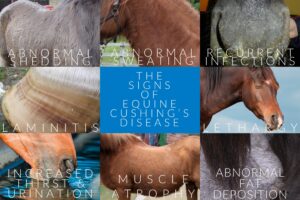
– **Endocrine Disorders:** Conditions such as Cushing’s disease and insulin resistance can predispose horses to laminitis.
– **Toxins and Infections:** Ingesting toxic substances or suffering from systemic infections can also trigger laminitis.
Preventive Measures for Laminitis
Maintain a Balanced Diet
A balanced diet is essential for preventing laminitis. Ensure your horse receives the right amount of nutrients without overloading on carbohydrates. Provide high-quality forage as the main component of their diet, and limit grain and concentrates, especially for horses prone to laminitis. Consider working with an equine nutritionist to develop a diet plan tailored to your horse’s specific needs.
Monitor Body Condition
Regularly assess your horse’s body condition to ensure they maintain a healthy weight. Obesity is a significant risk factor for laminitis, so it’s essential to keep your horse at an optimal weight. Use a weight tape or body condition scoring system to monitor changes and adjust their diet and exercise accordingly.
Regular Exercise
Exercise is vital for maintaining your horse’s overall health and preventing laminitis. Regular physical activity helps manage weight, improves insulin sensitivity, and promotes healthy circulation. Tailor the exercise regimen to your horse’s fitness level, ensuring it is appropriate and not overly strenuous.
Manage Pasture Access
Managing pasture access is crucial, particularly during times when the grass is lush and high in sugars, such as in the spring and fall. Consider using a grazing muzzle to limit intake or restricting pasture access to certain times of the day when sugar levels are lower, such as early morning. Additionally, rotating pastures and managing grass growth can help prevent overconsumption.
Foot Care and Hoof Maintenance
Regular hoof care is essential in preventing laminitis. Work with a qualified farrier to maintain proper hoof balance and health. Regular trimming and, if necessary, corrective shoeing can help prevent mechanical stress on the hooves. Ensure your horse’s hooves are clean, dry, and free from debris, as infections can exacerbate laminitis risk.
Recognizing Early Signs of Laminitis
Early detection of laminitis is crucial for effective management. Familiarize yourself with the early signs, which may include:
– Reluctance to move or noticeable lameness
– Heat in the hooves
– Increased digital pulse
– Shifting weight from one hoof to another
– Standing in a “sawhorse” stance to relieve pressure on the front hooves
If you notice any of these signs, it’s essential to consult with a veterinarian promptly to prevent further progression of the condition.
Emergency Management of Laminitis
Veterinary Intervention
If laminitis is suspected, immediate veterinary intervention is crucial. A veterinarian can provide appropriate treatment to manage pain and inflammation and prevent further damage. Follow the veterinarian’s instructions closely, including any recommendations for dietary changes, medication, or hoof support.
Stable Management
Managing the environment is essential during a laminitis episode. Provide a soft, supportive surface for your horse to stand on, such as deep bedding or sand. This reduces pressure on the hooves and provides comfort. Limit movement and activity to prevent further stress on the affected limbs.
Dietary Adjustments
During an acute laminitis episode, it may be necessary to modify the horse’s diet to reduce metabolic stress. Remove or significantly reduce high-sugar feeds, and provide low-sugar forage. Consult with a veterinarian or equine nutritionist to develop a suitable dietary plan.
Long-term Management Strategies
Address Underlying Health Conditions
If your horse has an underlying health condition, such as Cushing’s disease or insulin resistance, work closely with your veterinarian to manage these conditions effectively. Proper management can significantly reduce the risk of laminitis recurrence.
Consistent Monitoring
Regularly monitor your horse’s health, weight, and hoof condition. Keep detailed records of any changes, and schedule regular veterinary check-ups to stay ahead of potential issues. Monitoring can help in early detection and allow for timely intervention.
Education and Awareness
Stay informed about laminitis and equine health care. Attend workshops, read reputable equine health publications, and engage with the equestrian community to continuously learn about prevention strategies and management techniques.
Conclusion
Preventing laminitis requires a proactive approach to horse care, involving diet management, regular exercise, and vigilant monitoring. By understanding the causes and early signs of laminitis, horse owners can take essential steps to protect their equine companions from this painful condition. With proper management, education, and collaboration with veterinary professionals, the risk of laminitis can be significantly reduced, ensuring a healthier and happier life for your horse.