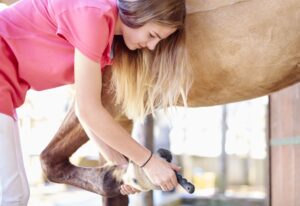
Grooming is an integral part of horse care that benefits both the horse and the handler. Regular grooming not only keeps a horse looking its best but also helps in maintaining its health by improving circulation, preventing skin conditions, and allowing handlers to catch injuries or abnormalities early. To achieve effective grooming, having the right tools is essential. This article explores the top essential horse grooming tools necessary for perfect care.
1. Curry Comb
The curry comb is a fundamental tool in the grooming process. Typically made of rubber or plastic, this comb is used in a circular motion to loosen dirt, hair, and other debris from the horse’s coat. It also stimulates the skin and promotes the production of natural oils, which are crucial for a shiny and healthy coat. A curry comb is especially useful during shedding seasons.
2. Dandy Brush
Following the curry comb, the dandy brush, or hard brush, is used to flick away the loosened dirt and hair. With its stiff bristles, this brush is effective in cleaning the horse’s body, particularly the less sensitive areas. While effective, it should be used with care around the face and legs where the skin is more delicate.
3. Body Brush
The body brush, or soft brush, is used after the dandy brush to remove finer particles of dust and to smooth out the coat. Its soft bristles make it suitable for use on sensitive areas such as the face and legs. The body brush also helps in distributing natural oils across the horse’s coat, enhancing its shine.
4. Mane and Tail Comb
Maintaining the mane and tail is crucial for a well-groomed appearance. A mane and tail comb, often made of metal or sturdy plastic, is used to detangle and tidy these areas. Regular combing prevents knots and tangles, which can lead to discomfort and skin issues if left unattended.
5. Hoof Pick
Cleaning a horse’s hooves is a critical part of the grooming routine. A hoof pick is used to remove dirt, stones, and debris lodged in the hooves. Regular cleaning helps prevent infections and issues like thrush. It’s important to also check for signs of injury or abnormality during this process.
6. Sweat Scraper
After washing or during hot weather, a sweat scraper is a useful tool to remove excess water or sweat from the horse’s coat. By efficiently removing moisture, it helps the horse dry faster and prevents skin irritation. Using a sweat scraper is especially important after baths to avoid leaving the horse damp and uncomfortable.
7. Shedding Blade
During shedding season, a shedding blade is indispensable. This tool, often featuring a serrated edge, is designed to remove loose hair from the horse’s coat. It can significantly cut down on grooming time and help maintain a clean, tidy appearance even during heavy shedding periods.
8. Grooming Cloth or Mitt
After all the brushing and combing, a grooming cloth or mitt can be used to give the coat a final polish. By wiping down the coat, it removes any remaining dust and adds extra shine. This step also allows for a final check for any skin issues or abnormalities.
9. Fly Spray
Insects can be a major nuisance to horses, causing discomfort and potential health issues. Fly spray is an essential part of the grooming toolkit, especially in warmer months. Applying fly spray after grooming helps protect your horse from biting insects and ensures a more comfortable environment.
10. Grooming Box or Tote
To keep all these tools organized, a grooming box or tote is necessary. It allows for easy storage and transport of grooming supplies, ensuring that everything you need is readily accessible. A well-organized grooming kit enhances efficiency and ensures no tool is lost or forgotten.
Conclusion
Having the right tools is crucial for effective horse grooming. Each tool plays a specific role in maintaining the horse’s health and appearance. Regular grooming sessions not only keep the horse looking its best but also strengthen the bond between horse and handler. By investing in these essential grooming tools, you ensure that your horse receives the best care possible, contributing to its overall well-being and happiness.
In addition to these tools, always remember that grooming is a time for observation. It’s an opportunity to check your horse for any signs of injury, illness, or discomfort. The attention and care you provide during grooming sessions play a significant role in promoting a healthy, happy horse.
#ChatGPT assisted in the creation of this article.