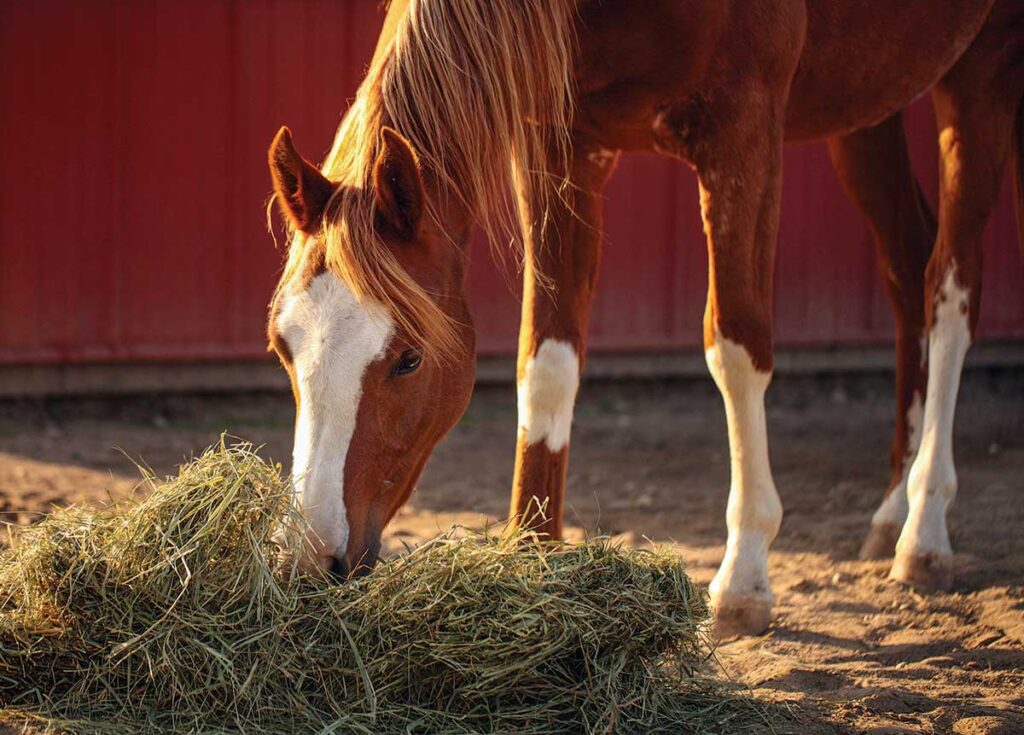
Providing the right nutrition is crucial for maintaining the health, performance, and well-being of horses. One of the most fundamental components of a horse’s diet is hay, which serves as a primary source of fiber and essential nutrients. Choosing the right type of hay is vital for meeting the nutritional needs of your horse. In this article, we will explore the top hay types that are ideal for optimal horse nutrition.
Understanding Horse Hay
Hay is dried grass or legumes that provide a staple diet for horses. It is important to select hay that suits the specific dietary requirements and health conditions of the horse. The quality, type, and nutritional content of hay can vary significantly, and understanding these differences is key to making the right choice.
Types of Horse Hay
Timothy Hay
Timothy hay is one of the most popular and widely used types of hay for horses. It is known for its balanced nutritional profile, which includes a good ratio of protein, fiber, and energy. Timothy hay is characterized by its soft texture and sweet aroma, making it highly palatable for horses.
This type of hay is particularly beneficial for horses with moderate energy requirements, such as those used for light to moderate work or leisure riding. Its high fiber content aids in digestive health and helps prevent conditions like colic and gastric ulcers.
Alfalfa Hay
Alfalfa hay is a legume hay that is rich in protein, energy, and calcium. It is typically more nutrient-dense compared to grass hays, making it an excellent choice for horses with higher nutritional demands, such as pregnant mares, growing foals, and performance horses.
While alfalfa hay is highly nutritious, it should be fed in moderation due to its high energy content. Overfeeding alfalfa can lead to weight gain and metabolic issues. It is often mixed with grass hay to provide a balanced diet.
Orchard Grass Hay
Orchard grass hay is a popular choice for horse owners due to its soft texture and pleasant taste. It provides a moderate level of protein and energy, making it suitable for a wide range of horses, including those with lower energy needs.
This type of hay is often used as an alternative or complement to Timothy hay. Its palatability and digestibility make it an excellent choice for horses that may be picky eaters or have sensitive digestive systems.
Bermuda Grass Hay
Bermuda grass hay is a warm-season grass hay that is commonly used in regions with hot climates. It is known for its fine texture and is generally lower in protein and calcium compared to legume hays like alfalfa.
This hay type is suitable for horses with low to moderate nutritional needs, such as maintenance horses or those prone to weight gain. It can also be an economical option for horse owners looking for cost-effective feeding solutions.
Clover Hay
Clover hay is another legume hay that is rich in protein, energy, and minerals. It is similar to alfalfa hay in nutritional content but is often mixed with grass hays to provide a balanced diet.
Red clover and white clover are the most common types used in horse feed. However, care should be taken when feeding clover hay, as it can sometimes contain mold or fungus, which could pose health risks to horses.
Factors to Consider When Choosing Hay
Nutritional Requirements
Different horses have varying nutritional needs based on their age, weight, activity level, and health condition. It is essential to assess these factors when selecting hay to ensure that your horse receives the appropriate nutrients.
Hay Quality
The quality of hay is determined by factors such as its maturity at harvest, moisture content, and the presence of weeds or contaminants. High-quality hay should be green, leafy, and free from dust and mold.
Digestibility
The digestibility of hay affects how well a horse can utilize the nutrients it contains. Soft, leafy hay tends to be more digestible compared to coarse or stemmy hay.
Cost and Availability
While nutritional value is a priority, cost and availability of hay types can also influence the decision-making process. It is important to find a balance between quality and affordability.
Conclusion
Choosing the right type of hay is a fundamental aspect of ensuring optimal nutrition for your horse. By understanding the different types of hay available and considering factors like nutritional requirements, quality, digestibility, and cost, you can make informed decisions that promote the health and well-being of your equine companion.
Whether you opt for Timothy, Alfalfa, Orchard Grass, Bermuda Grass, or Clover hay, each type offers unique benefits that can be tailored to meet the specific needs of your horse. Remember, a balanced diet is key to maintaining a happy and healthy horse.