Horses, like humans, are susceptible to a variety of skin conditions that can cause discomfort and affect their overall health. Due to their outdoor lifestyle and frequent exposure to different environmental elements, horses are particularly prone to skin issues. This article delves into the most common skin conditions affecting horses and effective treatments to ensure their well-being.
Common Horse Skin Conditions
Rain Rot
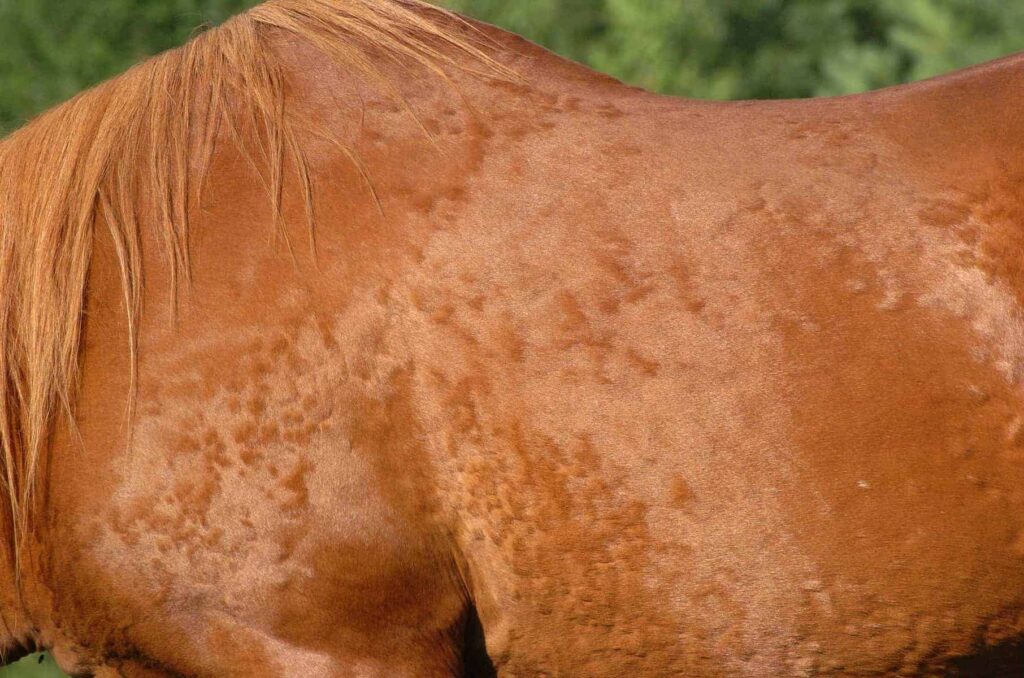
Rain rot, also known as dermatophilosis, is a bacterial infection that affects a horse’s skin, especially during wet seasons. It is caused by the bacterium Dermatophilus congolensis, which thrives in moist conditions. Horses with this condition develop crusty scabs and hair loss, primarily along the back, rump, and legs.
Treatment for Rain Rot
The key to treating rain rot is keeping the horse dry and ensuring proper hygiene. Gently remove scabs using a soft brush and clean the affected areas with an antiseptic solution like chlorhexidine. Topical antibiotics may be prescribed by a veterinarian for severe cases. Keeping the horse’s environment dry and clean is crucial for prevention.
Sweet Itch
Sweet itch, or summer eczema, is an allergic reaction to the bites of Culicoides midges, small flying insects. Affected horses experience intense itching, leading to scratching and rubbing that can cause secondary infections. This condition is most common during the warmer months.
Treatment for Sweet Itch
Prevention is the most effective strategy for managing sweet itch. Using insect repellents and fly sheets can help protect horses from midge bites. Antihistamines and corticosteroids may be prescribed to relieve itching and inflammation. Regularly cleaning the horse’s environment to reduce midge populations is also beneficial.
Ringworm
Ringworm is a fungal infection that causes circular patches of hair loss and scaly skin. It is highly contagious and can spread through direct contact with infected horses or contaminated equipment. Although not life-threatening, ringworm requires prompt treatment to prevent its spread.
Treatment for Ringworm
Isolating infected horses is essential to prevent the spread of ringworm. Antifungal shampoos and topical treatments are effective in treating this condition. It’s important to disinfect all equipment and areas that have come into contact with the infected horse. In severe cases, oral antifungal medication may be prescribed.
Scratches
Scratches, also known as pastern dermatitis, is a condition affecting the skin on the lower legs, especially in horses with white markings. It is caused by a combination of moisture, mud, and bacteria or fungi, leading to inflammation and crusty lesions.
Treatment for Scratches
Keeping the affected area clean and dry is crucial. Gently wash the area with an antiseptic solution and apply topical antibacterial or antifungal ointments. Severe cases may require systemic antibiotics prescribed by a veterinarian. Avoid exposing the horse to wet and muddy conditions.
Hives
Hives, or urticaria, are raised, itchy welts on the skin caused by an allergic reaction. They can result from various allergens, including insect bites, food, and environmental factors. Hives can appear suddenly and cause significant discomfort.
Treatment for Hives
Identifying and removing the allergen is the first step in treating hives. Antihistamines and corticosteroids may be administered to alleviate itching and reduce swelling. Providing a quiet and stress-free environment for the horse can also help prevent further outbreaks.
Preventive Measures for Horse Skin Conditions
Prevention plays a crucial role in maintaining healthy skin in horses. Regular grooming helps remove dirt and debris, reducing the risk of skin infections. Providing a clean and dry living environment minimizes exposure to moisture and mud, preventing conditions like rain rot and scratches. Additionally, using insect repellents and protective gear can protect horses from insect-related skin issues.
Conclusion
Understanding and addressing common horse skin conditions is vital for any horse owner or caregiver. Early detection and proper treatment can prevent minor issues from escalating into severe problems. By maintaining good hygiene, providing a suitable environment, and seeking veterinary advice when necessary, horse owners can ensure the well-being and comfort of their equine companions.
#ChatGPT assisted in the creation of this article.