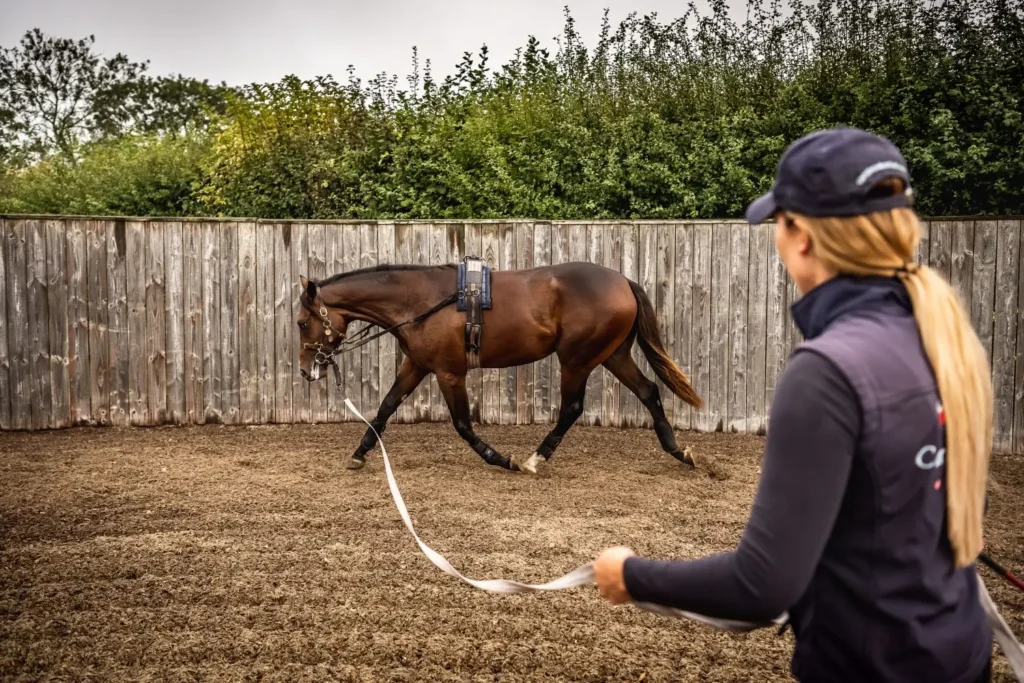
Training horses is both an art and a science, requiring patience, understanding, and a keen sense of timing. Whether you are a seasoned equestrian or a beginner, understanding common training pitfalls can make a significant difference in your horse’s progress and well-being. This article will explore the top horse training mistakes to avoid, offering insights into how to create a more effective and harmonious training experience.
Overlooking the Importance of a Solid Foundation
One of the most critical mistakes in horse training is neglecting the foundation. Just like building a house, training a horse requires a solid base to support advanced skills and behaviors. Rushing through or skipping basic groundwork can lead to confusion and frustration for both the horse and the trainer.
Groundwork establishes trust and communication. It helps the horse understand cues, respect personal space, and develop balance and coordination. Without these fundamentals, horses can become resistant or anxious when introduced to more complex tasks. To avoid this mistake, ensure your horse is comfortable and confident with basic groundwork before moving forward.
Inconsistent Training Sessions
Consistency is key in horse training. Inconsistent training sessions can confuse the horse and hinder progress. Horses thrive on routine and repetition, which helps reinforce learned behaviors and cues.
Many trainers fall into the trap of irregular training schedules, especially those with busy lifestyles. To avoid this, set a consistent training schedule that fits your lifestyle and stick to it. Short, frequent sessions are often more beneficial than sporadic, lengthy ones. Consistency helps the horse understand expectations and builds trust in the training process.
Ignoring Body Language and Communication
Horses are masters of non-verbal communication. They express themselves primarily through body language, and successful trainers must be adept at interpreting these signals. Ignoring or misreading a horse’s body language can lead to misunderstandings and potential safety hazards.
For example, pinned ears, swishing tail, or a tense body can indicate discomfort or aggression. Recognizing these signs early allows the trainer to adjust their approach, preventing escalation. Developing an eye for subtle cues and responding appropriately can greatly enhance the training experience.
Using Excessive Force or Punishment
Another common mistake in horse training is the reliance on excessive force or punishment. Horses learn best through positive reinforcement and clear communication. Using force can lead to fear, anxiety, and a breakdown in trust.
Instead of punishing undesirable behavior, focus on rewarding correct responses. Positive reinforcement, such as treats, praise, or a gentle pat, encourages horses to repeat the desired action. This approach fosters a willing partnership and enhances the horse’s eagerness to learn.
Setting Unrealistic Expectations
Every horse is unique, with its own learning pace and capabilities. Setting unrealistic expectations can lead to frustration for both the trainer and the horse. Pushing a horse too hard or expecting rapid progress can result in stress and burnout.
To avoid this mistake, tailor your training goals to your horse’s individual needs and abilities. Celebrate small victories and progress, no matter how minor they may seem. Remember, training is a journey, and patience is essential for long-term success.
Neglecting the Horse’s Physical and Mental Well-being
Training is not solely about teaching behaviors; it also involves ensuring the horse’s physical and mental well-being. Neglecting these aspects can lead to health issues and a lack of motivation in the horse.
Regular veterinary check-ups, a balanced diet, and proper exercise are crucial for maintaining a horse’s health. Additionally, mental stimulation through varied training activities can prevent boredom and enhance engagement. A healthy, happy horse is more receptive to training and performs better overall.
Lack of Flexibility in Training Approach
While having a training plan is essential, rigidity can hinder progress. Horses, like humans, have good days and bad days. Being too fixed in your approach can lead to frustration when things don’t go as planned.
Flexibility allows you to adapt to your horse’s needs and mood. If a particular exercise isn’t working, try a different approach or take a break and revisit it later. Being adaptable not only reduces stress but also shows your horse that you are attentive and responsive to its needs.
Forgetting to Build Trust and Respect
Trust and respect form the cornerstone of any successful training partnership. Focusing solely on techniques and skills can sometimes overshadow the importance of building a strong bond with your horse.
Spending time with your horse outside of training sessions, engaging in activities like grooming or leisurely walks, can strengthen your relationship. This bond translates into better communication and cooperation during training, leading to a more effective and enjoyable experience.
Not Seeking Professional Guidance
Even experienced trainers can benefit from professional guidance. Sometimes, an outside perspective can provide valuable insights and solutions to training challenges. Avoiding seeking help due to pride or fear of judgment can hinder progress.
Whether it’s a riding instructor, a behaviorist, or a fellow horse enthusiast, don’t hesitate to reach out for advice or attend clinics and workshops. Continuous learning and openness to new ideas are vital components of effective horse training.
Conclusion
In conclusion, horse training is a dynamic and rewarding endeavor that requires patience, empathy, and a commitment to learning. By avoiding these common mistakes, you can create a more positive and productive training environment for both you and your horse. Remember, every horse is an individual, and understanding their unique needs and personalities is key to unlocking their full potential. Embrace the journey, and enjoy the bond that develops through thoughtful and compassionate training.
#ChatGPT assisted in the creation of this article.