Caring for a horse’s coat is more than just ensuring it looks shiny and attractive. A well-maintained coat reflects the overall health and well-being of the horse. This ultimate guide will take you through expert horse coat care, focusing on grooming techniques, nutrition, and seasonal considerations to keep your horse looking and feeling its best throughout the year.
Understanding the Importance of Coat Care
A horse’s coat acts as a protective barrier against environmental elements and plays a crucial role in thermoregulation. The coat’s condition can also be an indicator of the horse’s general health. A dull or rough coat may suggest nutritional deficiencies, underlying health issues, or inadequate grooming practices. Therefore, investing time and effort in coat care is essential for maintaining your horse’s health, comfort, and performance.
Daily Grooming Routine
A regular grooming routine is the foundation of expert coat care. It not only enhances the coat’s appearance but also promotes circulation, distributes natural oils, and allows for early detection of any abnormalities. Here’s a step-by-step guide to an effective daily grooming routine:
1. Curry Comb
Start with a curry comb to loosen dirt, debris, and shedding hair from the coat. Use gentle circular motions, focusing on areas where dirt tends to accumulate, such as the neck, shoulders, and back. The curry comb also stimulates skin circulation and helps distribute natural oils across the coat.
2. Body Brush
Follow up with a soft-bristle body brush to remove the dirt and hair lifted by the curry comb. Use long, sweeping strokes in the direction of hair growth. This step is crucial for achieving a smooth and shiny coat, as it further spreads natural oils and polishes the coat’s surface.
3. Mane and Tail Care
Untangle the mane and tail using a detangler or conditioner and a wide-toothed comb. Begin at the ends and work your way up to avoid breakage. Regularly trimming the mane and tail can also prevent tangling and promote healthy growth.
4. Hoof Cleaning
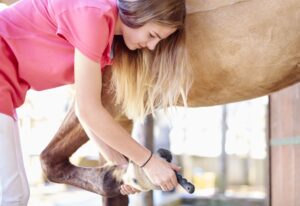
Although not directly related to the coat, cleaning the hooves is an essential part of grooming. Use a hoof pick to remove dirt and debris from the hooves, checking for signs of thrush or other issues.
5. Finishing Touches
Conclude the grooming session with a soft cloth or grooming mitt to give your horse’s coat a final polish. This step helps remove any remaining dust and enhances the coat’s natural shine.
Nutrition and Coat Health
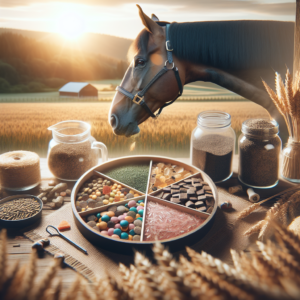
A horse’s diet significantly impacts coat quality. Ensuring your horse receives a balanced diet with adequate nutrients is vital for maintaining a healthy, glossy coat. Consider the following dietary components for optimal coat health:
1. Protein
Protein is essential for hair growth and repair. Ensure your horse receives sufficient high-quality protein sources, such as alfalfa, soybean meal, or commercial feeds formulated for coat health.
2. Omega-3 and Omega-6 Fatty Acids
These essential fatty acids contribute to coat shine and skin health. Flaxseed oil, fish oil, and rice bran are excellent sources of omega-3 and omega-6 fatty acids.
3. Vitamins and Minerals
Key vitamins and minerals for coat health include biotin, zinc, and copper. Consider supplements if your horse’s diet lacks these nutrients, but consult a veterinarian or equine nutritionist for guidance.
4. Hydration
Adequate water intake is crucial for maintaining skin elasticity and overall coat condition. Ensure your horse has constant access to fresh, clean water.
Seasonal Coat Care
Horses’ coats change with the seasons, requiring adjustments in care to maintain optimal health and appearance.
1. Spring and Fall
During these transitional seasons, horses shed and grow new coats. Regular grooming helps manage shedding and supports healthy coat development. Pay extra attention to areas prone to matting and consider using a shedding blade or grooming block.
2. Summer
In summer, horses are prone to sweat and sun exposure, which can damage the coat. Regular grooming removes sweat and dirt, preventing skin irritation. Consider using fly sprays and lightweight sheets to protect the coat from insects and sun damage.
3. Winter
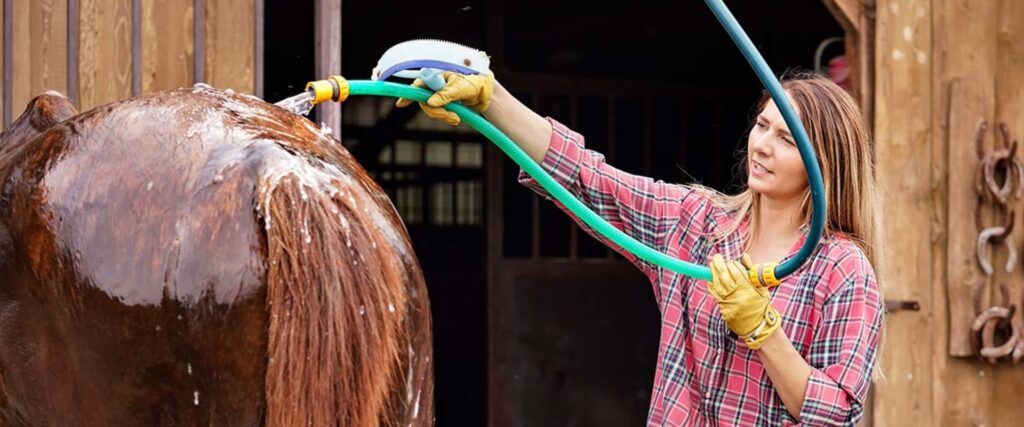
In winter, a horse’s coat thickens to provide insulation. Grooming is still essential, but avoid too much washing as it can strip natural oils. Ensure your horse’s diet supports increased energy needs and coat health during colder months.
Addressing Common Coat Problems
Despite best efforts, horses can develop coat issues. Here’s how to address some common problems:
1. Dull Coat
If your horse’s coat is dull, evaluate their diet and grooming routine. Ensure they receive adequate protein, fatty acids, and minerals. Regular grooming and the use of coat conditioners can also help restore shine.
2. Itchy Skin
Itchy skin can result from allergies, parasites, or dry skin. Consult a veterinarian to identify the cause and develop a treatment plan. Regular grooming and moisturizing shampoos can alleviate symptoms.
3. Patchy Hair Loss
Patchy hair loss may indicate fungal infections, parasites, or nutritional deficiencies. Seek veterinary advice for diagnosis and treatment, and ensure your horse’s diet is well-balanced.
Conclusion
Expert horse coat care is a comprehensive approach that involves regular grooming, proper nutrition, and seasonal adjustments. By understanding the fundamentals of coat care and addressing any issues promptly, you can maintain a healthy, shiny coat that enhances your horse’s well-being and performance. With dedication and attention to detail, you’ll ensure your horse looks and feels its best year-round.