Fear is an integral part of the animal kingdom, serving as a survival mechanism to protect creatures from potential threats. Horses, despite being powerful and majestic animals, are no exception. Understanding and overcoming fear issues in horses is crucial for building a trusting relationship between horse and handler. This article delves into the origins of fear in horses, how it manifests, and effective strategies to address and mitigate these fears for a harmonious partnership.
The Nature of Fear in Horses
Horses are prey animals, and their evolutionary history has ingrained a heightened sense of alertness and flight response to danger. This instinctive behavior is what keeps them safe in the wild. However, it can also lead to challenges when domesticated horses encounter unfamiliar or perceived threatening situations.
Flight, Fight, or Freeze
When horses encounter something they perceive as frightening, they typically exhibit one of three responses: flight, fight, or freeze. The flight response is the most common, where the horse seeks to escape the threat as quickly as possible. In some cases, a horse may choose to fight, becoming aggressive if cornered or unable to flee. Finally, the freeze response occurs when a horse immobilizes itself, hoping the threat will pass without incident.
Common Causes of Fear in Horses
Several factors can contribute to fear in horses, ranging from environmental stimuli to past experiences. Identifying these causes is crucial in addressing fear issues.
Environmental Stimuli
Horses are highly sensitive to their surroundings and can be easily startled by sudden movements, loud noises, or unfamiliar objects. Changes in their environment, such as new equipment, altered routines, or different settings, can trigger fear responses.
Traumatic Experiences
Past traumatic experiences can have a lasting impact on a horse’s behavior. Abuse, neglect, or accidents can instill deep-seated fears that require patience and understanding to overcome. These experiences can lead to a generalized anxiety toward situations reminiscent of the trauma.
Lack of Socialization
Horses that have not been adequately socialized may exhibit fear towards other animals, people, or novel situations. Early exposure to a variety of stimuli is crucial for developing a well-rounded and confident horse.
Genetic Predispositions
Just as in humans, some horses may have a genetic predisposition to anxiety and fearfulness. Recognizing these traits can help handlers tailor their training approaches to suit the individual horse’s needs.
Signs of Fear in Horses
Identifying fear in horses requires keen observation of their behavior and body language. Understanding these signs can help handlers address issues before they escalate.
Body Language
Horses communicate primarily through body language. Signs of fear may include widened eyes, flared nostrils, tense muscles, and elevated head posture. A horse may also exhibit rapid breathing, sweating, or tail swishing when anxious.
Behavioral Changes
Fearful horses may display behaviors such as rearing, bolting, bucking, or refusal to move forward. These behaviors are often expressions of the horse’s desire to escape or avoid a perceived threat.
Strategies to Overcome Fear Issues
Addressing fear in horses requires a combination of patience, understanding, and effective training techniques. Here are some strategies to help horses overcome fear issues:
Desensitization
Desensitization involves gradually exposing the horse to the fear-inducing stimulus in a controlled and safe environment. The key is to start with a low level of exposure and slowly increase intensity as the horse becomes more comfortable. Positive reinforcement, such as treats or praise, can be used to reward the horse for calm behavior.
Counterconditioning
Counterconditioning involves changing the horse’s emotional response to a fear-inducing stimulus. This technique pairs the stimulus with positive experiences, helping the horse associate it with safety and comfort. For example, if a horse is afraid of clippers, the handler can associate the sound of clippers with feeding time or grooming.
Building Trust and Confidence
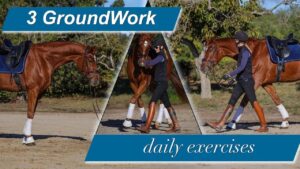
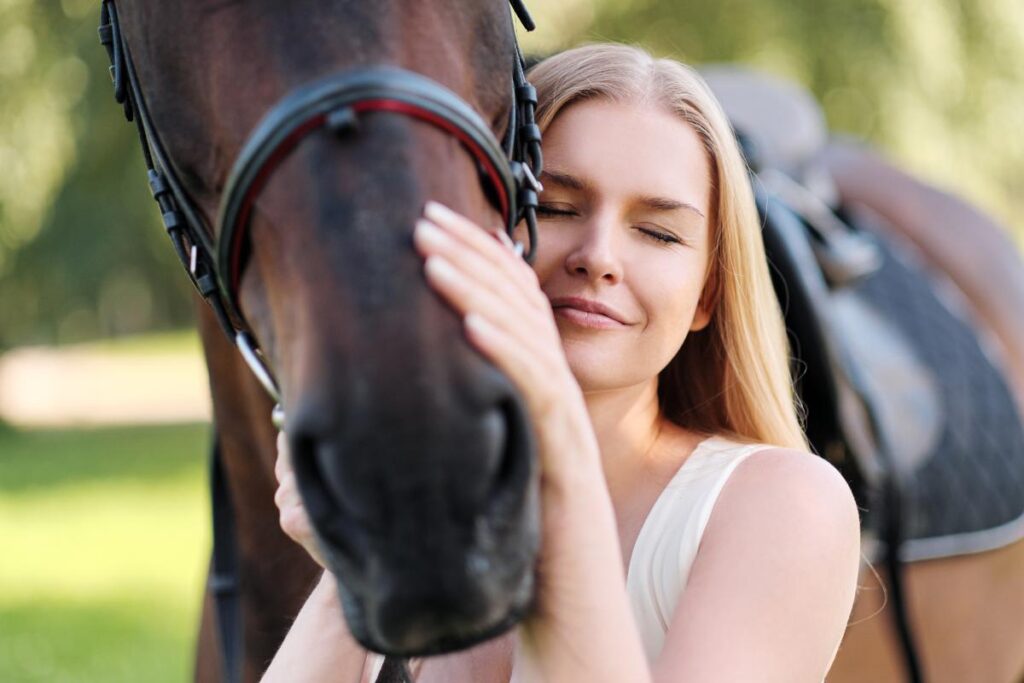
Establishing a strong bond of trust between horse and handler is essential. Consistent, positive interactions build confidence and reduce anxiety. Spending time with the horse through grooming, groundwork, and gentle handling helps create a secure environment where the horse feels safe.
Professional Training and Support
In cases of severe fear or anxiety, seeking the assistance of a professional trainer or equine behaviorist can be invaluable. These experts have the experience and knowledge to develop tailored training plans and provide guidance on effective techniques.
Preventing Fear Issues
Preventing fear issues in horses is as important as addressing existing ones. Proactive measures can ensure a well-adjusted and confident horse.
Early Socialization
Introducing young horses to a variety of stimuli, environments, and social interactions from an early age can prevent fear issues from developing. This exposure helps horses learn to navigate new situations with confidence.
Consistent Handling and Training
Regular, consistent handling and training are essential for maintaining a horse’s confidence and reducing anxiety. A predictable routine and clear communication help horses feel secure and understood.
Understanding Individual Differences
Recognizing that each horse is an individual with unique personality traits and needs is crucial. Tailoring training and interactions to the specific horse fosters a positive learning environment and minimizes fear responses.
Conclusion
Understanding and overcoming fear issues in horses is a multifaceted process that requires empathy, knowledge, and dedication. By recognizing the causes of fear, observing the signs, and implementing effective strategies, handlers can create a safe and trusting relationship with their horses. Whether through desensitization, counterconditioning, or professional support, addressing fear issues lays the foundation for a harmonious partnership and a confident, well-adjusted horse.