Horses have fascinated humans for centuries, not just because of their beauty and strength but also due to their complex behavior. Understanding horse behavior is crucial for anyone involved with these magnificent creatures, whether as a professional trainer, a recreational rider, or a dedicated horse owner. This article delves into the secrets of horse behavior, offering insights that will help in building a harmonious relationship between humans and horses.
The Natural Instincts of Horses
To truly understand horse behavior, one must first appreciate their natural instincts. Horses are prey animals, which means their behavior is largely driven by survival instincts. This is evident in their flight response, herd dynamics, and communication methods.
Flight Response
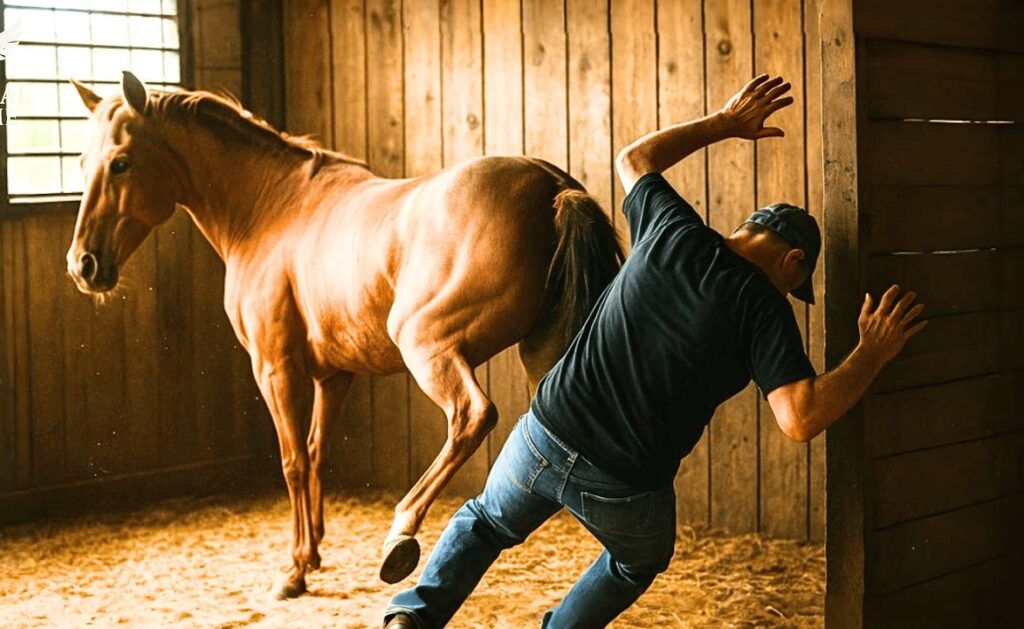
As prey animals, horses are highly alert and sensitive to their surroundings. Their primary defense mechanism is the flight response. This means that when they perceive a threat, their instinct is to flee. Understanding this behavior is crucial for trainers and handlers. Sudden movements or loud noises can trigger this instinct, leading to potentially dangerous situations. By recognizing the signs of anxiety or fear in a horse, handlers can take steps to calm the animal and avoid triggering the flight response.
Herd Dynamics
Horses are social animals that naturally form herds in the wild. Their social structure is akin to a hierarchy, with dominant and submissive individuals. This herd mentality influences their behavior even when domesticated. Horses feel more secure in groups and may display anxiety when isolated. Understanding herd dynamics is essential for effective training and management. For example, introducing a new horse to a group requires careful observation and management to ensure a smooth integration.
Communication
Horses communicate through a variety of signals, including body language, vocalizations, and facial expressions. Recognizing these signals can provide valuable insights into a horse’s emotional state. For instance, pinned-back ears may indicate irritation or aggression, whereas a relaxed tail and soft eyes suggest a calm and content horse. By learning to read these signals, handlers can respond appropriately to a horse’s needs and emotions.
The Impact of Domestication on Horse Behavior
While horses have been domesticated for thousands of years, their fundamental instincts remain largely unchanged. However, domestication has introduced new challenges and adaptations in horse behavior.
Adaptation to Human Interaction
Domesticated horses have had to adapt to regular human interaction. This includes training for riding, work, and other activities. Horses can learn to associate humans with positive experiences, such as feeding or grooming, leading to trust and cooperation. However, negative experiences, such as harsh training methods or inconsistent handling, can result in mistrust and behavioral issues.
Environmental Changes
Domestication often involves significant changes to a horse’s environment. In the wild, horses roam vast areas, but domesticated horses are usually kept in confined spaces like stables or paddocks. This can lead to stress and boredom, which may manifest as undesirable behaviors like cribbing or weaving. Providing adequate exercise, mental stimulation, and social interaction can help mitigate these issues.
Training and Behavior Modification Techniques
Understanding horse behavior is the foundation for effective training and behavior modification. By using techniques that align with a horse’s natural instincts and communication methods, trainers can achieve better results.
Positive Reinforcement
Positive reinforcement involves rewarding a horse for desired behavior, encouraging the horse to repeat that behavior. This technique is highly effective because it aligns with the horse’s natural learning processes. Rewards can include treats, verbal praise, or a gentle pat. Consistency and timing are crucial for positive reinforcement to be effective.
Desensitization
Desensitization is a gradual process of exposing a horse to a stimulus that typically causes fear or anxiety, such as loud noises or unfamiliar objects, in a controlled manner. By slowly increasing the horse’s exposure and ensuring positive experiences, trainers can reduce the horse’s fear response. This technique requires patience and careful observation to avoid overwhelming the horse.
Join-Up Method
Developed by trainer Monty Roberts, the join-up method involves working with a horse in a round pen to establish trust and a willingness to cooperate. The trainer uses body language to communicate with the horse, allowing it to choose to follow and join the trainer voluntarily. This method emphasizes the horse’s natural herd instinct and desire for security.
Common Behavioral Issues and Solutions
Even with the best care and training, horses may exhibit behavioral issues. Understanding the root causes of these issues is key to finding effective solutions.
Separation Anxiety
Horses are social animals, and separation from their herd or human companions can lead to anxiety. Symptoms include restlessness, calling out, or even attempts to escape. Gradual desensitization, providing company in the form of another horse or a companion animal, and ensuring a familiar environment can help reduce separation anxiety.
Aggression
Aggression in horses can stem from fear, pain, or dominance issues. It’s important to identify the underlying cause before addressing the behavior. Ensuring the horse is not in pain, providing consistent training, and establishing clear boundaries can help manage aggression. In some cases, consulting a professional trainer may be necessary.
Bucking and Rearing
Bucking and rearing are often signs of discomfort, fear, or resistance. Checking for physical issues, such as saddle fit or dental problems, should be the first step. If no physical issues are found, reviewing the horse’s training regimen and ensuring consistent handling can help address these behaviors.
Building a Strong Human-Horse Bond
A strong bond between horse and handler is essential for effective training and a harmonious relationship. Building this bond requires patience, understanding, and mutual respect.
Trust Building
Trust is the foundation of any successful relationship with a horse. Consistent handling, positive reinforcement, and respecting the horse’s comfort zones are key to building trust. Avoiding negative experiences and ensuring the horse associates humans with positive outcomes will strengthen this bond.
Understanding Individual Personalities
Just like humans, horses have unique personalities. Some are more curious and adventurous, while others may be cautious or reserved. Recognizing and respecting these individual differences can enhance training and handling. Tailoring approaches to suit each horse’s personality will lead to more successful interactions.
Regular Interaction and Care
Regular interaction, grooming, and care are vital components of building a strong bond. Spending time with a horse outside of training sessions, such as during grooming or simply being present, reinforces the relationship. This time spent together helps the horse associate humans with comfort and security.
Conclusion
Unlocking the secrets of horse behavior is a journey that requires observation, patience, and a willingness to learn. By understanding the natural instincts, communication methods, and individual personalities of horses, handlers can develop effective training techniques and address behavioral issues. Building a strong human-horse bond based on trust and respect is the cornerstone of successful interactions. As we continue to explore the depths of horse behavior, we not only enhance our relationships with these magnificent creatures but also enrich our own lives through the connection we share.